

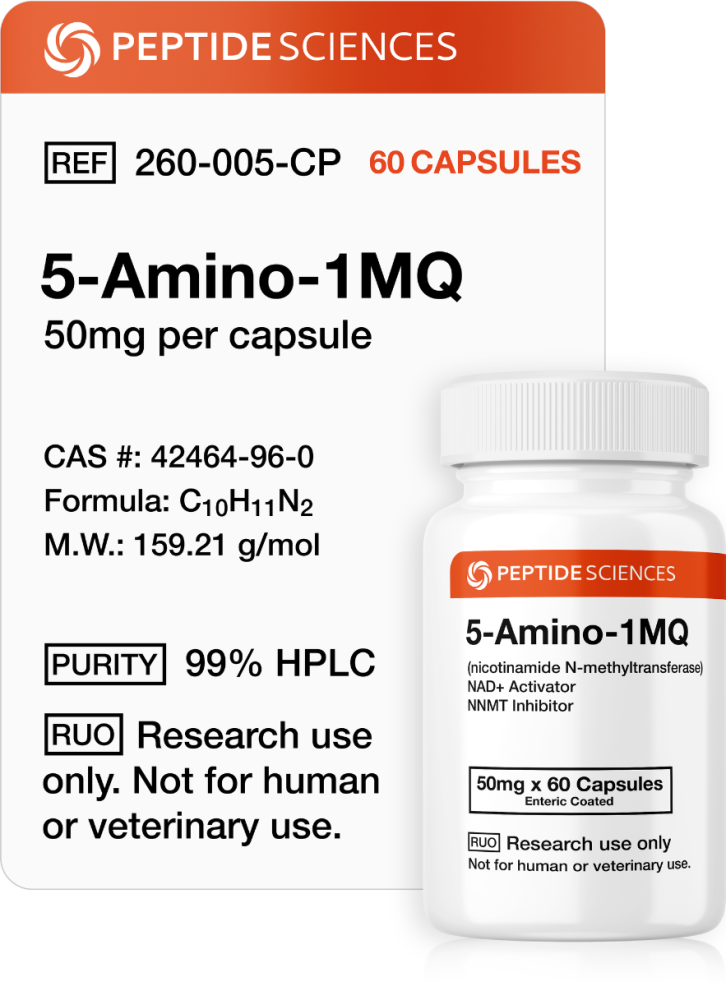
5-Amino-1MQ 50mg (60 Capsules)
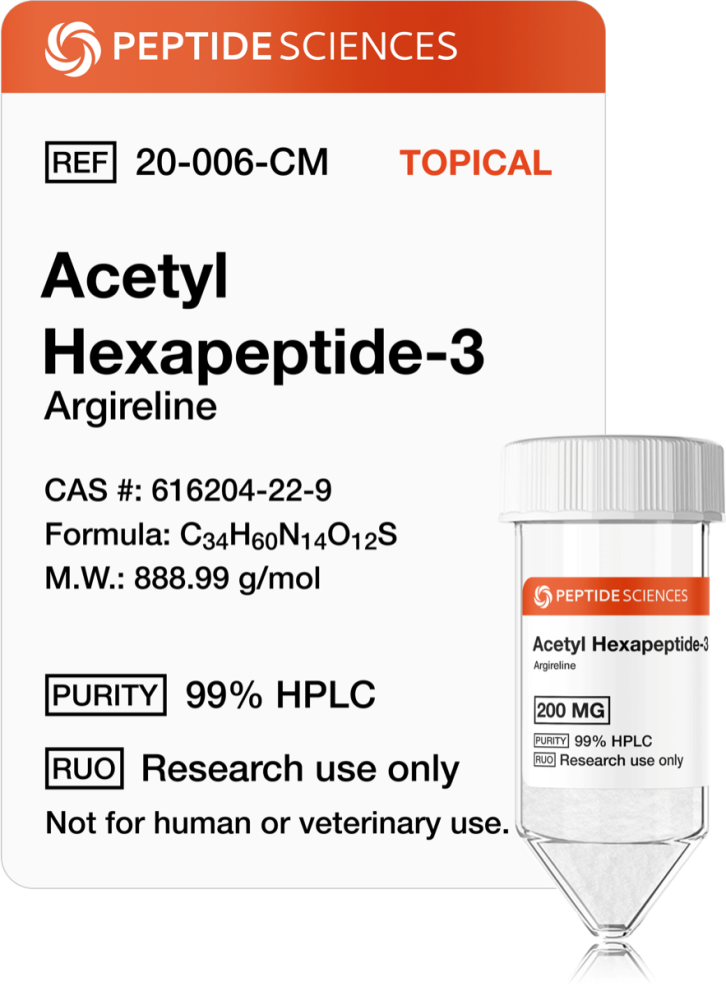
Acetyl Hexapeptide-3 (Argireline) 200mg (Topical)
Acetyl Hexapeptide-3 (Argireline) inhibits the release of neurotransmitters as it interferes with the formation and stabilization of the protein complex needed for docking vesicles of acetylcholine release. In an open study often female subjects, a serum containing this peptide was applied twice a day. After 1 month, the results showed a reduction in periorbital wrinkle depth of 27%. The in vitro effect of neurotransmitter-inhibiting peptides is to inhibit the release of neurotransmitters, while the desired, in vivo, effect is to reduce facial wrinkles caused by a decrease in muscle activity. Research tests were performed using a combination of both actives in order to evaluate a possible synergy or additive effect. A cream/serum containing 5% argireline solution (0.05%) and 5% leuphasyl solution (0.05%) was applied twice daily around the eyes of 15 volunteers, aged 39 to 63, for 28 days. A decrease of 24.62% was accomplished, with maximum values up to –46.53%. Both peptides show additive effects due to their complementary mechanisms.
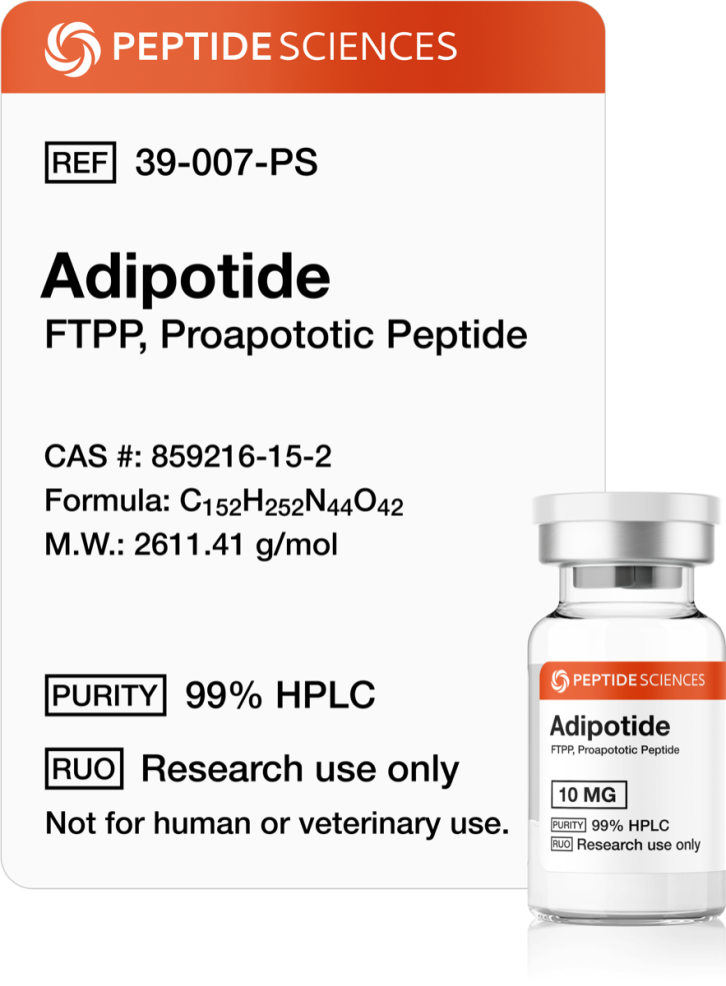
Adipotide (FTPP) 10mg
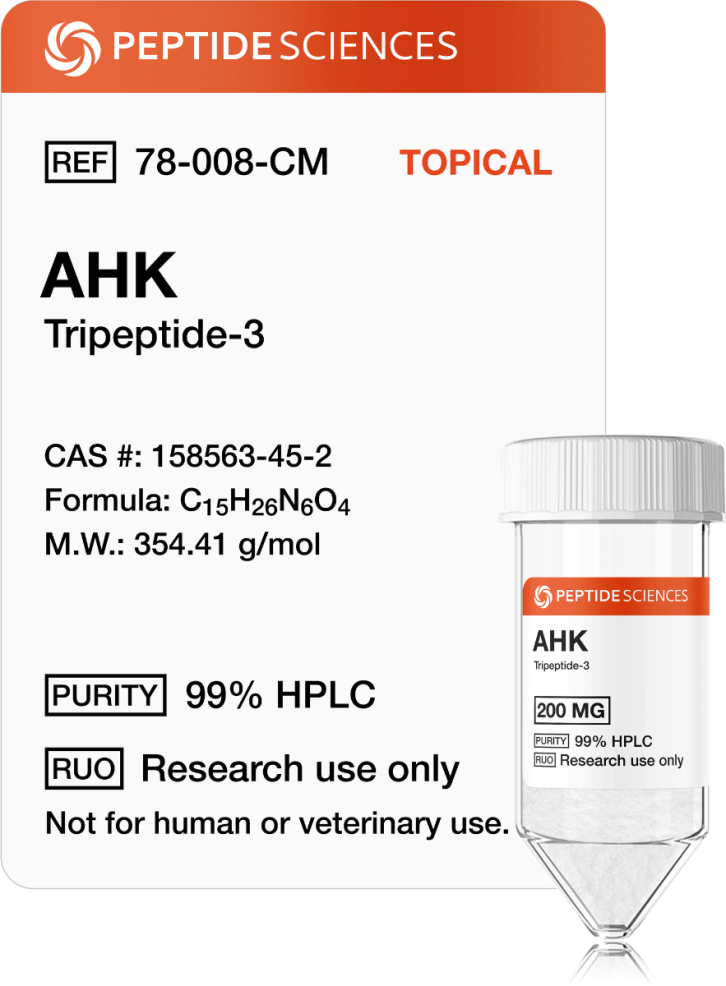
AHK (Tripeptide-3) 200mg (Topical)
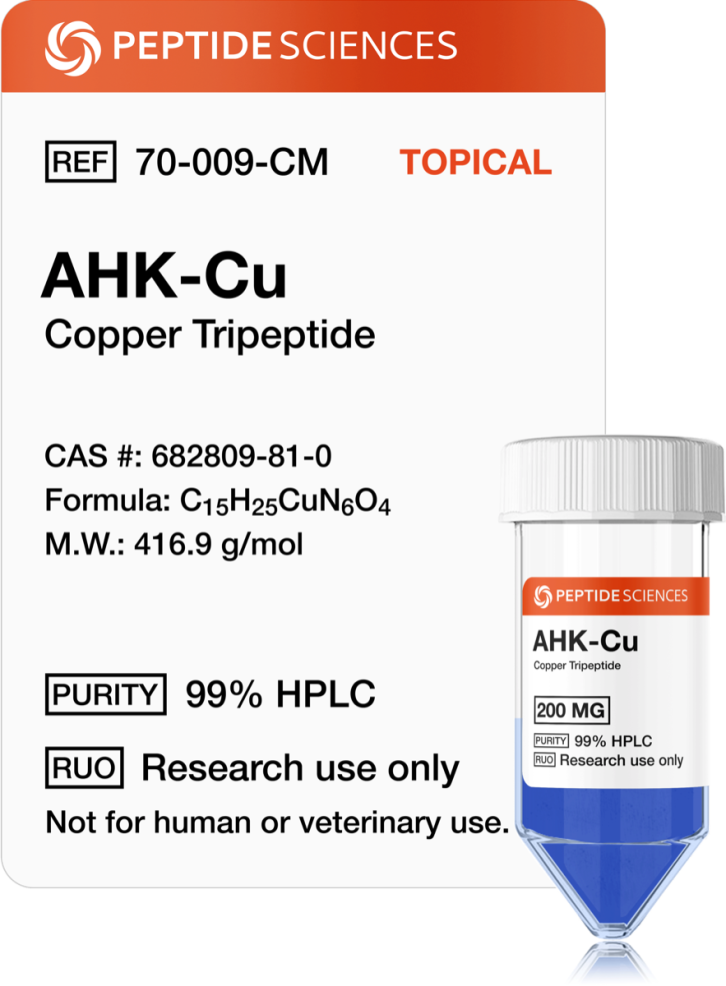
AHK-Cu 200mg (Topical)
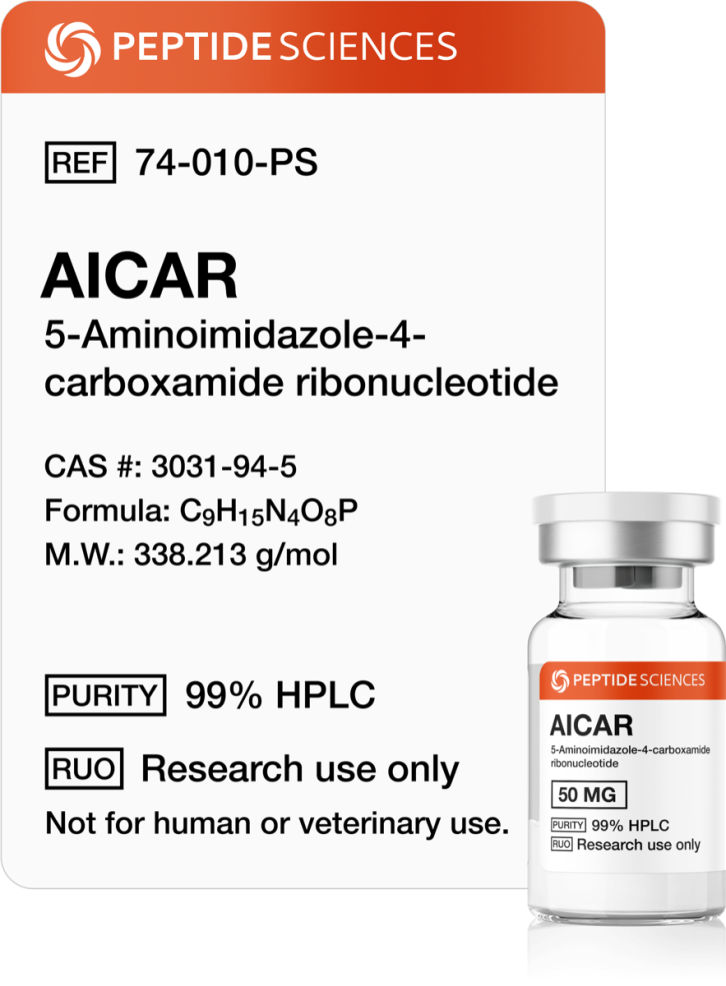
AICAR 50mg
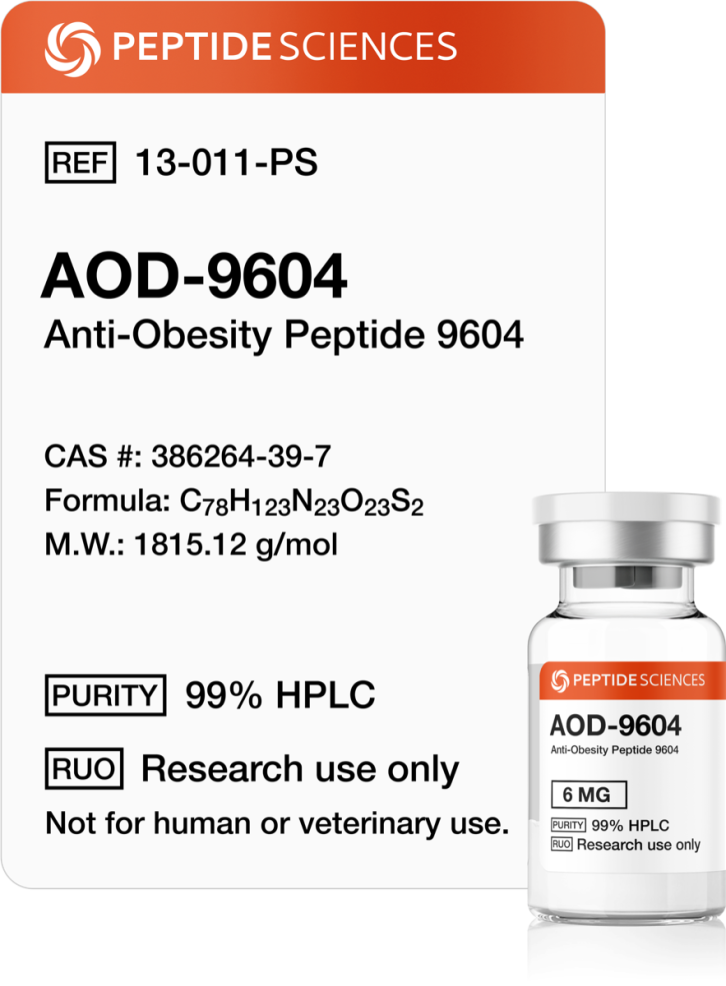
AOD9604 6mg
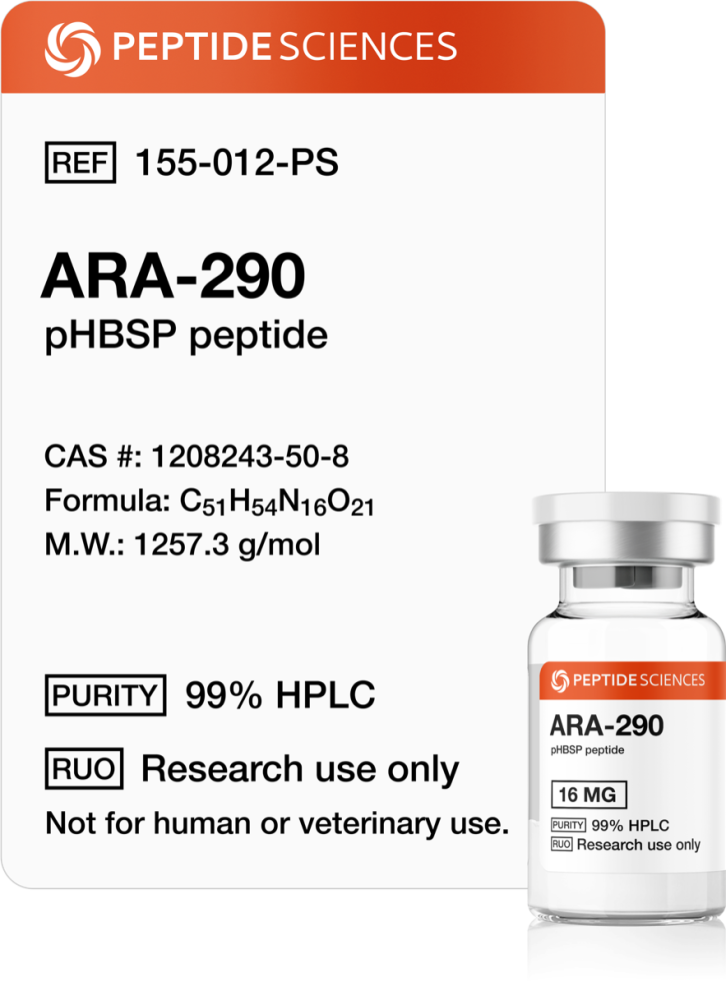
ARA-290 16mg
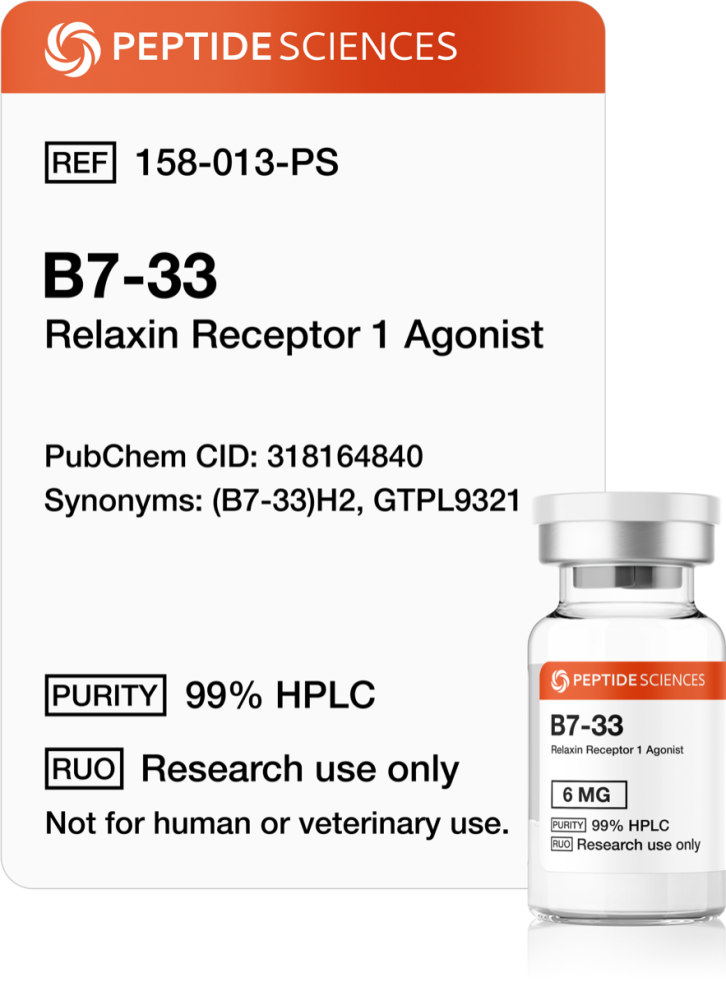
B7-33 6mg
B7-33 exibits potent anti-fibrotic effects. It is under active research and investigation as a means of reducing fibrosis in acute and chronic diseases like heart failure, lung inflammation, kidney and more.
In animal studies, B7-33 has reduced fibrosis by roughly 50%, leading to prolonged survival following injury and offering the first new means of treating heart failure in 20 years.
It has been shown to reduce excessive scar formation following cardiac injury. It has also shown promise in the treatment of certain vascular disorders as well as preeclampsia of pregnancy.

Bacteriostatic Water – 30ML Bottle
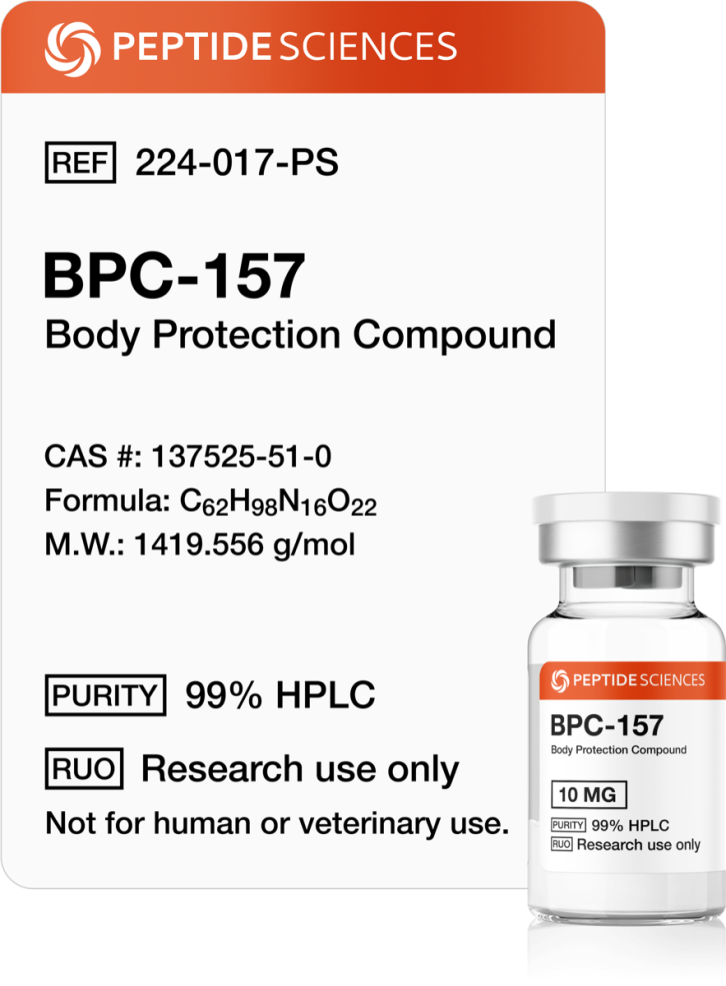
BPC-157 10mg
BPC-157 is a penta-decapeptide composed of 15 amino acids. It is a partial sequence of the body protection compound (BPC) that was discovered in and isolated from human gastric juice. Animal studies have shown it to accelerate the healing of many different wounds, including muscle, tendon and damaged ligaments. Additionally, BPC 157 has shown to protect organs and aids in the prevention of gastric ulcers. BPC-157 acts systemically in the digestive tract to combat leaky gut, IBS, gastro-intestinal cramps, and Crohn’s disease. This peptide has been known to exhibit analgesic characteristics. Research has shown its ability to help skin burns heal at a faster rate by increasing blood flow to damaged tissues. BPC-157 significantly accelerates reticulin and collagen formation as well as angiogenesis together with stimulation of macrophages and fibroblasts infiltration representing a potential therapeutic tool in wound healing management.