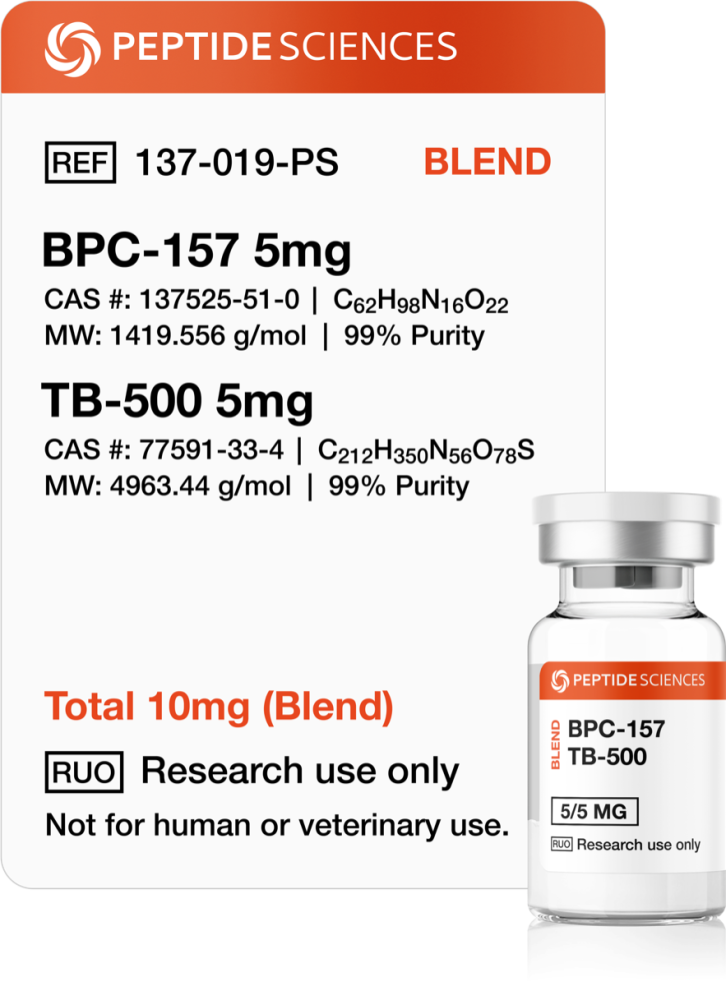
BPC-157, TB-500 10mg (Blend)
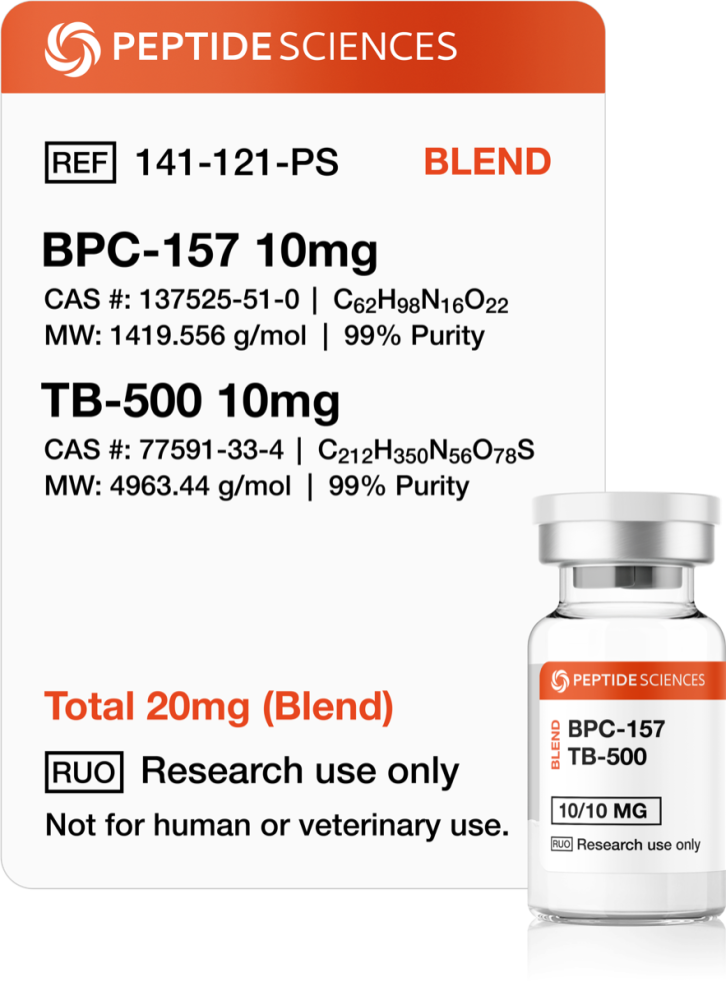
BPC-157, TB-500 20mg (Blend)
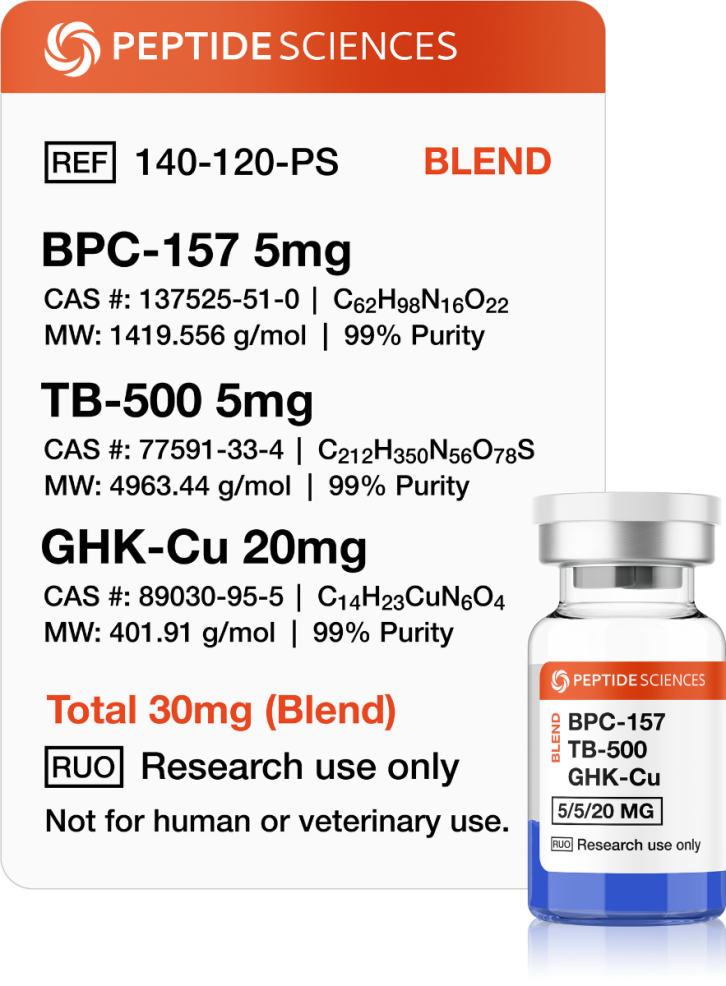
BPC-157, TB-500, GHK-Cu 30mg (Glow Blend)
BPC-157 5mg, TB-500 (Thymosin Beta-4) 5mg, GHK-Cu 20mg
(30mg Total Glow Blend)
Mechanisms and Synergy
-
BPC-157: A stable gastric pentadecapeptide shown to accelerate angiogenesis, fibroblast migration, and epithelial repair via modulation of VEGFR2, FAK-paxillin pathways, and nitric oxide signaling. It enhances tendon, muscle, and intestinal healing in preclinical models.
-
TB-500 (Thymosin Beta-4): A 43-amino acid actin-sequestering peptide that promotes tissue regeneration through cell migration, angiogenesis (via VEGF upregulation), and anti-inflammatory effects. It mobilizes progenitor cells and accelerates repair of myocardium, dermis, and connective tissue.
-
GHK-Cu: A copper-binding tripeptide (glycyl-L-histidyl-L-lysine) that stimulates wound healing, collagen synthesis, and hair growth. It modulates gene expression linked to tissue remodeling and exerts antioxidant and anti-inflammatory effects through TGF-β and metalloproteinase regulation.
Synergistic Benefits:
Combined research with BPC-157, TB-500, and GHK-Cu may offer synergistic tissue regeneration and anti-inflammatory benefits by concurrently activating multiple repair pathways:
-
Angiogenesis: TB-500 and BPC-157 both promote VEGF-mediated vascularization, while GHK-Cu enhances endothelial cell proliferation.
-
Cellular migration and matrix remodeling: TB-500 improves actin polymerization and cellular motility; GHK-Cu and BPC-157 stimulate ECM production and fibroblast activity.
-
Anti-inflammatory modulation: All three reduce oxidative stress and cytokine-driven inflammation, potentially improving healing in chronic or complex injuries.
This multifactorial synergy suggests enhanced efficacy in musculoskeletal, dermatological, and post-surgical recovery applications.
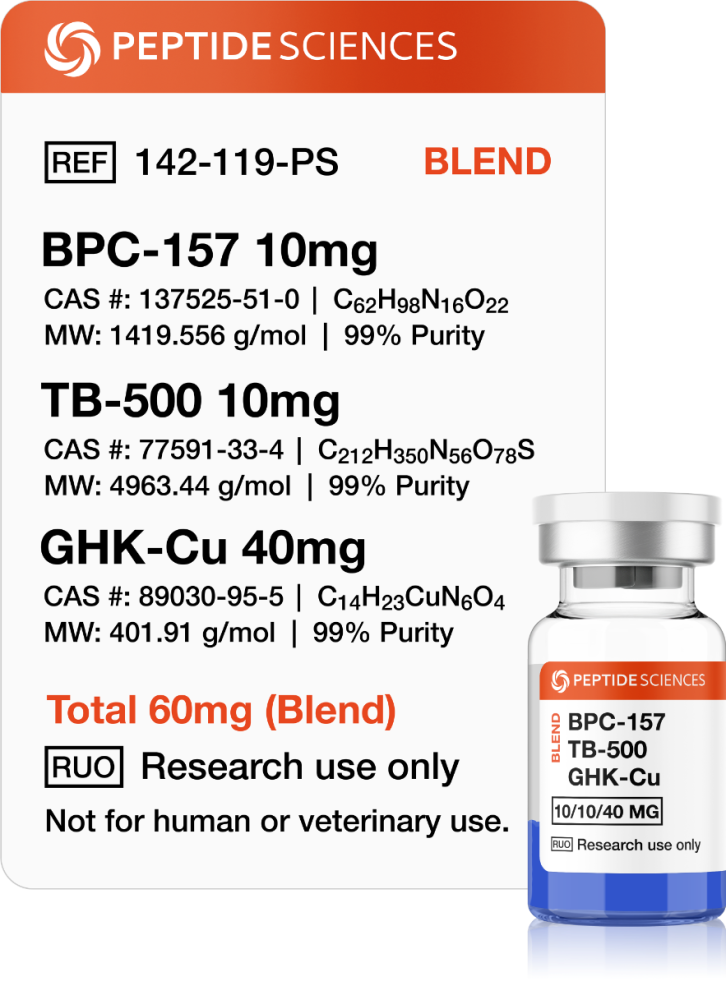
BPC-157, TB-500, GHK-Cu 60mg (Glow Blend)
- BPC-157: A stable gastric pentadecapeptide shown to accelerate angiogenesis, fibroblast migration, and epithelial repair via modulation of VEGFR2, FAK-paxillin pathways, and nitric oxide signaling. It enhances tendon, muscle, and intestinal healing in preclinical models.
- TB-500 (Thymosin Beta-4): A 43-amino acid actin-sequestering peptide that promotes tissue regeneration through cell migration, angiogenesis (via VEGF upregulation), and anti-inflammatory effects. It mobilizes progenitor cells and accelerates repair of myocardium, dermis, and connective tissue.
- GHK-Cu: A copper-binding tripeptide (glycyl-L-histidyl-L-lysine) that stimulates wound healing, collagen synthesis, and hair growth. It modulates gene expression linked to tissue remodeling and exerts antioxidant and anti-inflammatory effects through TGF-β and metalloproteinase regulation.
- Angiogenesis: TB-500 and BPC-157 both promote VEGF-mediated vascularization, while GHK-Cu enhances endothelial cell proliferation.
- Cellular migration and matrix remodeling: TB-500 improves actin polymerization and cellular motility; GHK-Cu and BPC-157 stimulate ECM production and fibroblast activity.
- Anti-inflammatory modulation: All three reduce oxidative stress and cytokine-driven inflammation, potentially improving healing in chronic or complex injuries.

BPC-157, TB-500, KPV, GHK-Cu 80mg (Klow Blend)
Buy BPC-157, TB-500, KPV, GHK-Cu 80mg (Klow Blend) Online
The ultimate multi-pathway research platform for systemic repair and inflammation modulation. The Klow Blend integrates high-purity regenerative peptides with potent anti-inflammatory and remodeling agents. At the Peptide Sciences Official Store, we provide 80mg multi-compound vials verified for 99%+ Purity via HPLC analysis. Every order is backed by a full COA and sent via discreet shipping to support advanced laboratory investigation into multi-tissue healing and cellular resilience.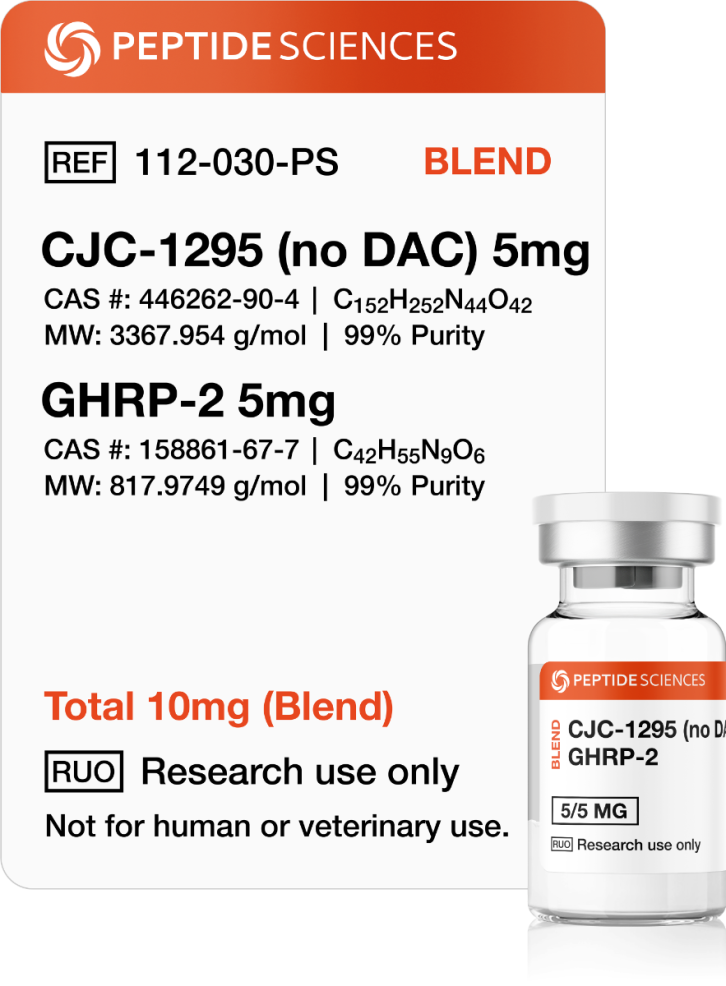
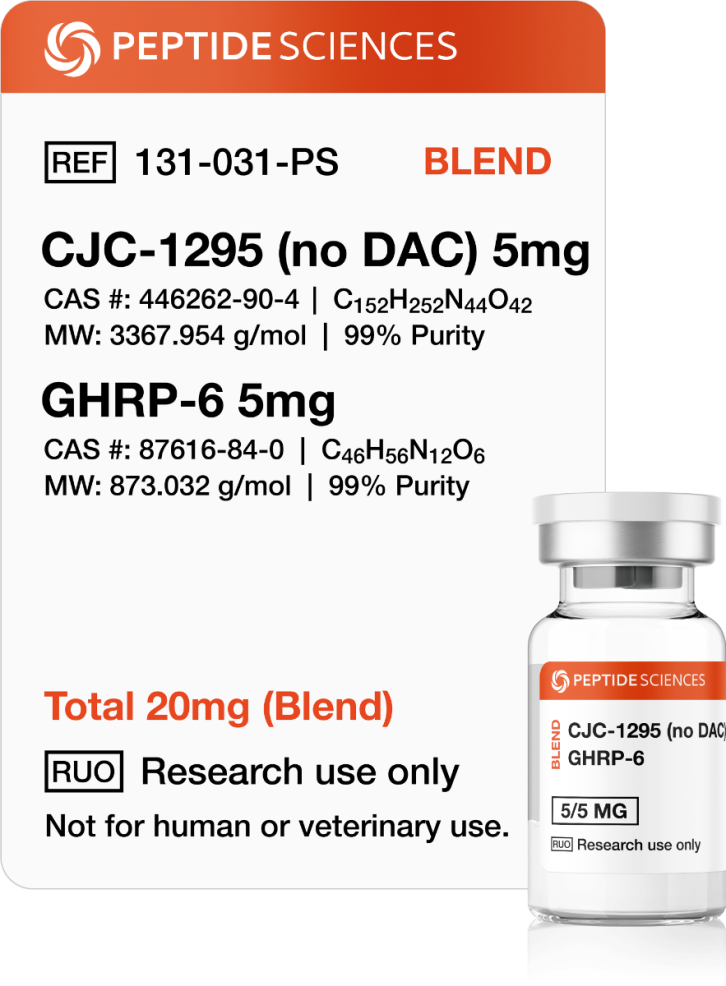
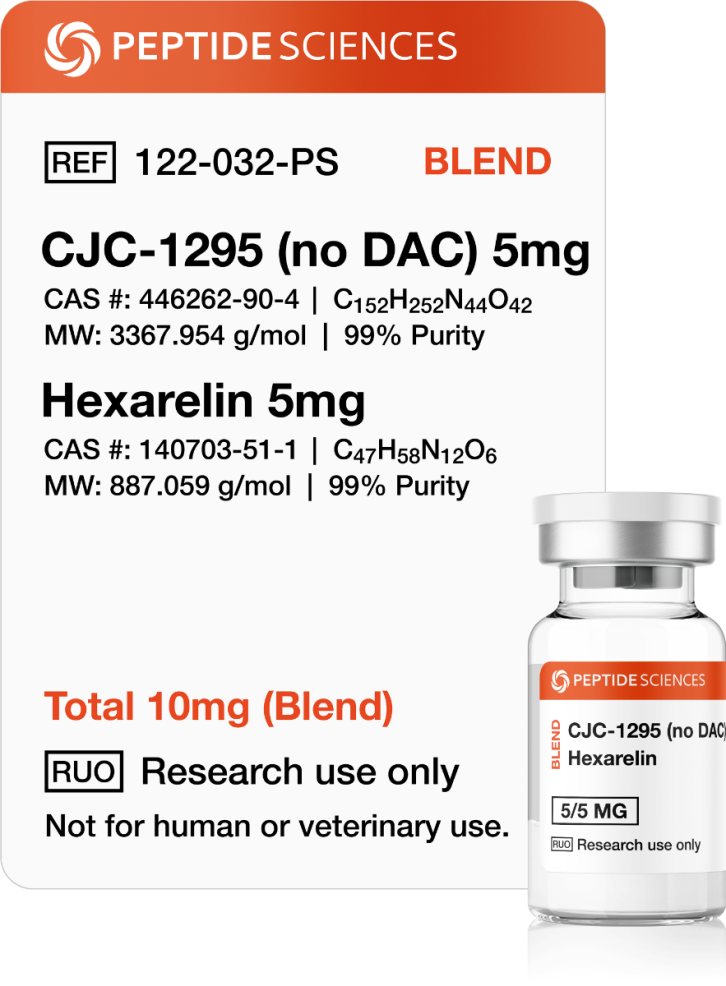
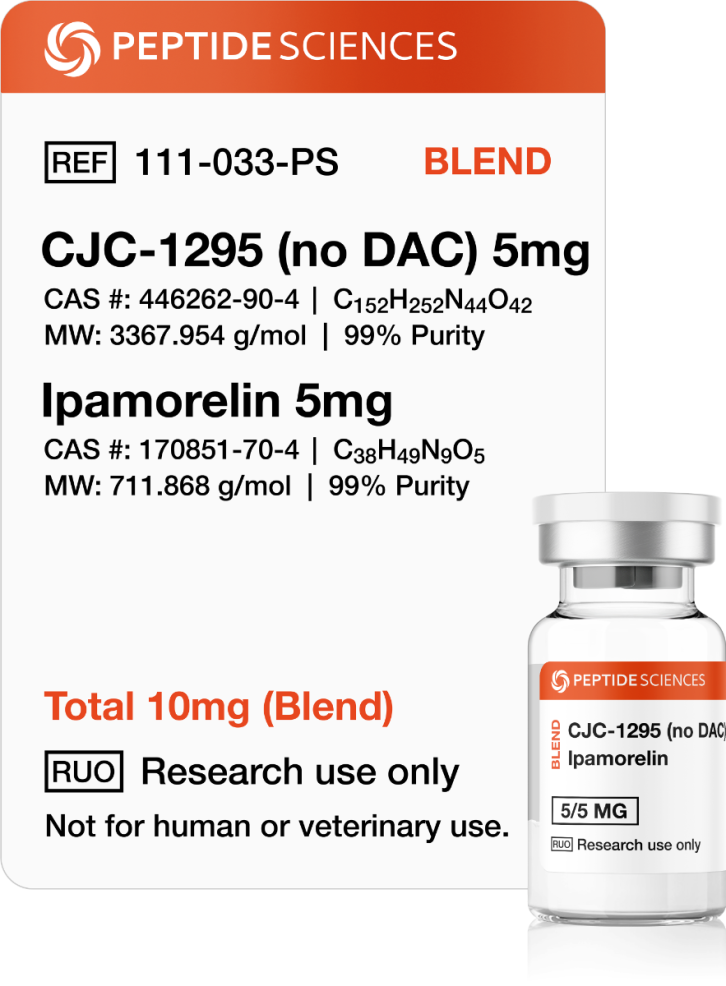
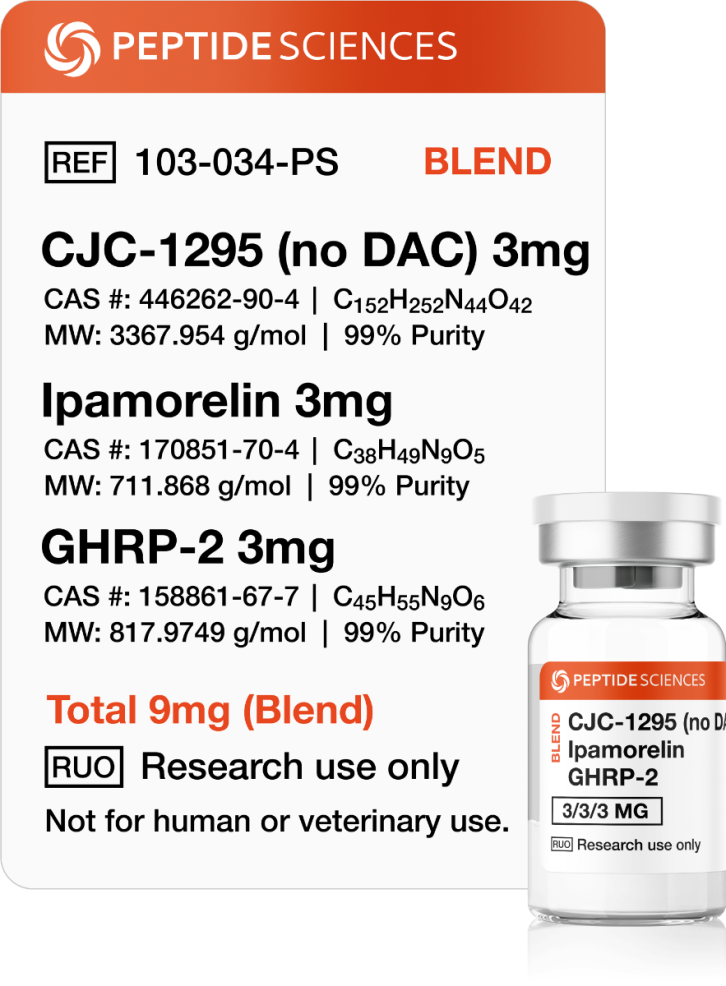
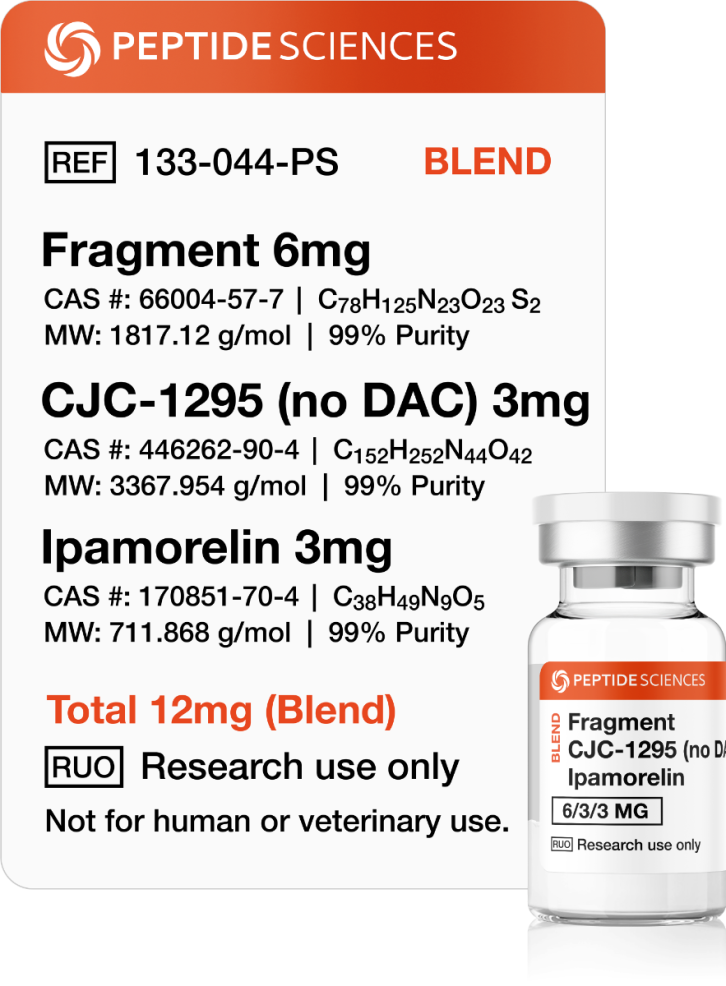
CJC-1295 (No DAC), Ipamorelin 10mg (Blend)
CJC-1295 5mg (No DAC), Ipamorelin 5mg (10mg Total Peptide Blend)
CJC-1295 causes the natural release of GH, but it does so by naturally stimulating the growth hormone releasing hormone receptor.
Ipamorelin is one of the most selective growth hormone (GH) secretagogues known and a potent agonist of the ghrelin/growth hormone secretagogue receptor. It has been heavily researched in a number of settings and is known to, improve bone health, boost muscle repair and development, stimulate insulin release from the pancreas, and improve bowel motility and gastric function.
CJC-1295 when combined with Ipamorelin has been shown to exhibit synergistic effects when researched together.