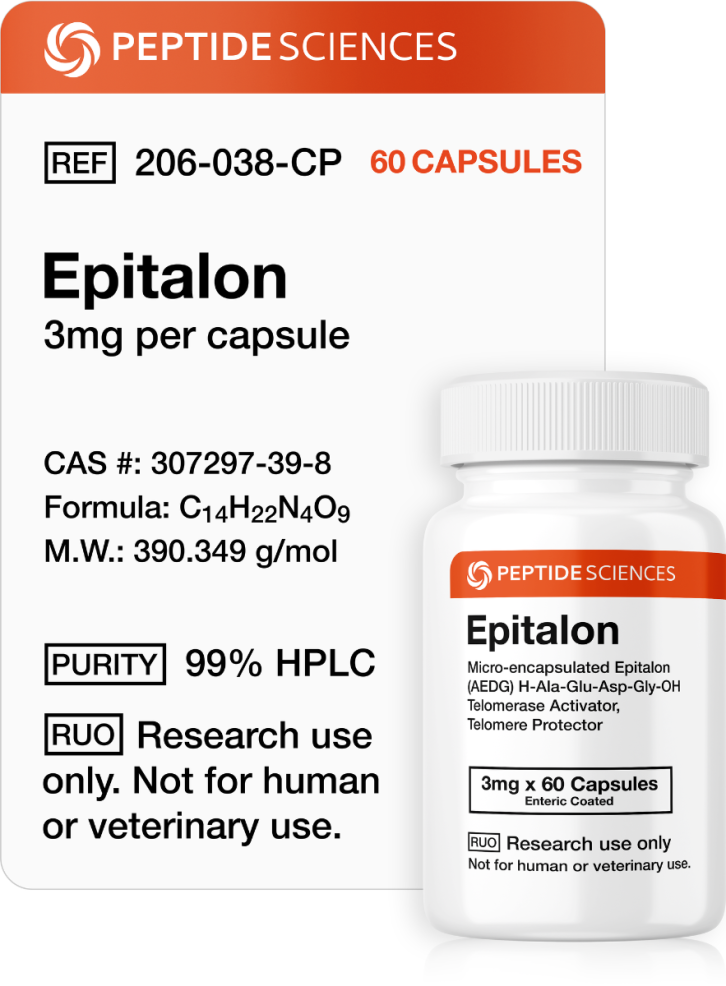
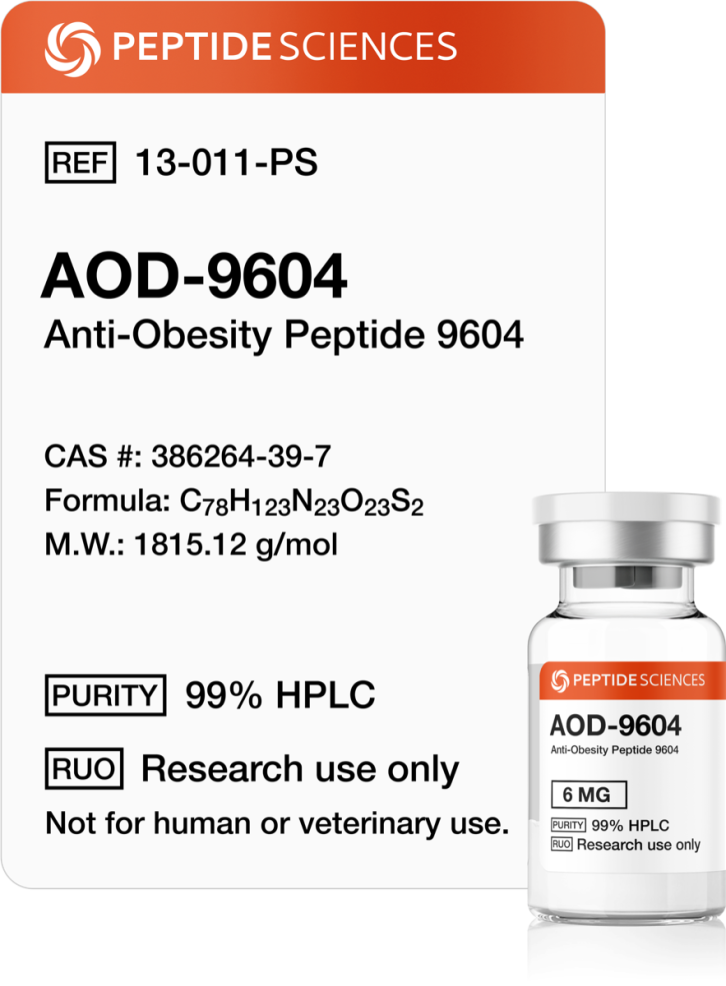
AOD9604 6mg
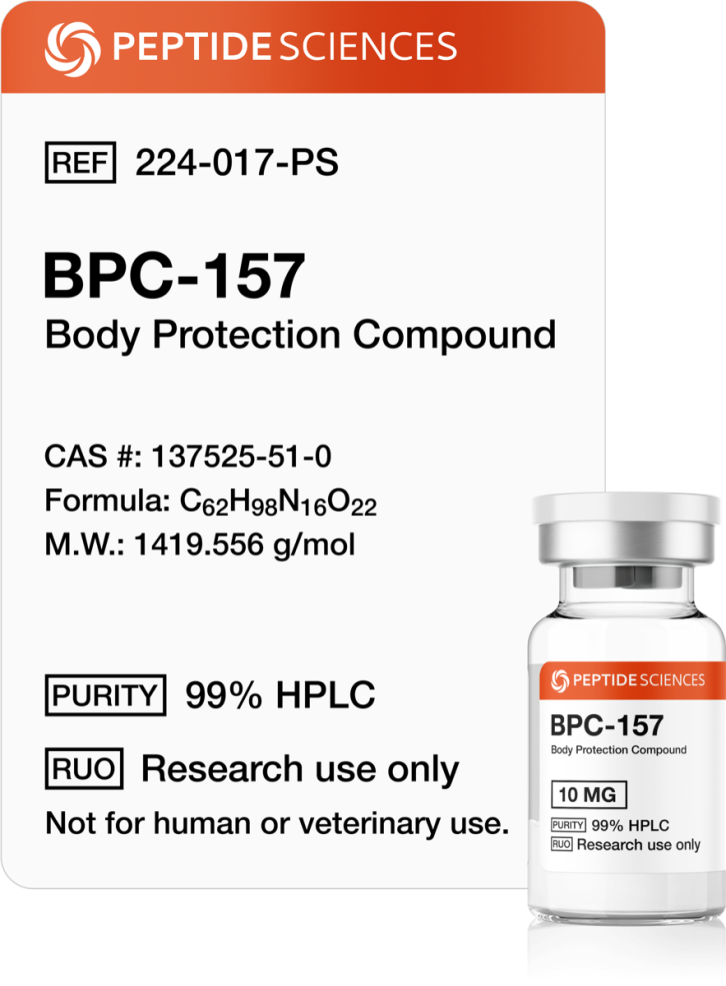
BPC-157 10mg
BPC-157 is a penta-decapeptide composed of 15 amino acids. It is a partial sequence of the body protection compound (BPC) that was discovered in and isolated from human gastric juice. Animal studies have shown it to accelerate the healing of many different wounds, including muscle, tendon and damaged ligaments. Additionally, BPC 157 has shown to protect organs and aids in the prevention of gastric ulcers. BPC-157 acts systemically in the digestive tract to combat leaky gut, IBS, gastro-intestinal cramps, and Crohn’s disease. This peptide has been known to exhibit analgesic characteristics. Research has shown its ability to help skin burns heal at a faster rate by increasing blood flow to damaged tissues. BPC-157 significantly accelerates reticulin and collagen formation as well as angiogenesis together with stimulation of macrophages and fibroblasts infiltration representing a potential therapeutic tool in wound healing management.
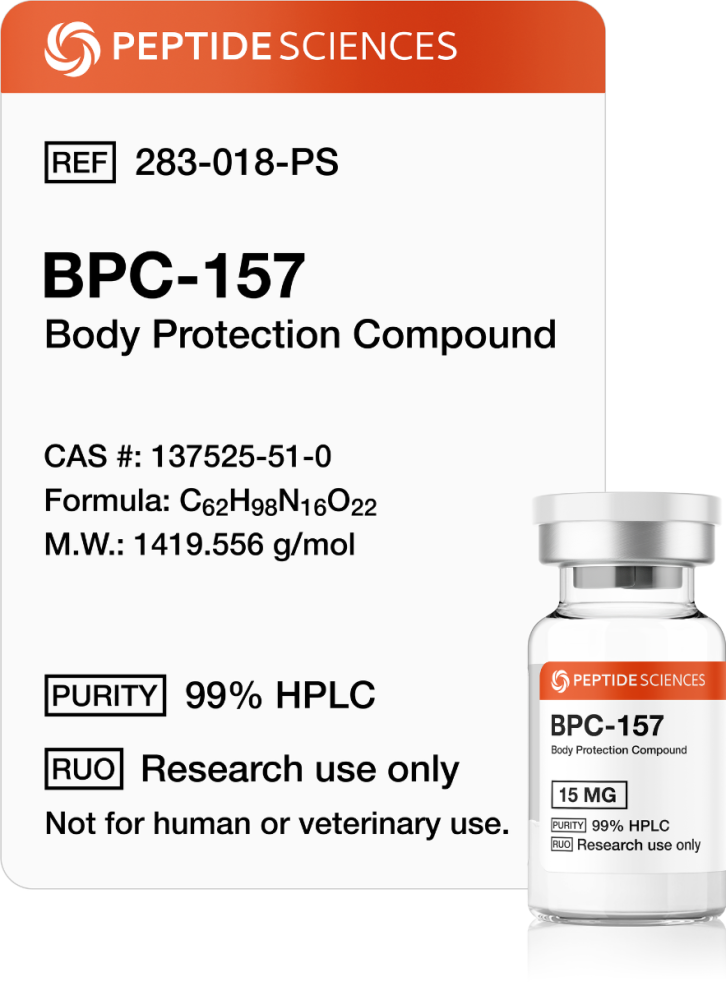
BPC-157 15mg
BPC-157 is a penta-decapeptide composed of 15 amino acids. It is a partial sequence of the body protection compound (BPC) that was discovered in and isolated from human gastric juice. Animal studies have shown it to accelerate the healing of many different wounds, including muscle, tendon and damaged ligaments. Additionally, BPC 157 has shown to protect organs and aids in the prevention of gastric ulcers. BPC-157 acts systemically in the digestive tract to combat leaky gut, IBS, gastro-intestinal cramps, and Crohn’s disease. This peptide has been known to exhibit analgesic characteristics. Research has shown its ability to help skin burns heal at a faster rate by increasing blood flow to damaged tissues. BPC-157 significantly accelerates reticulin and collagen formation as well as angiogenesis together with stimulation of macrophages and fibroblasts infiltration representing a potential therapeutic tool in wound healing management.
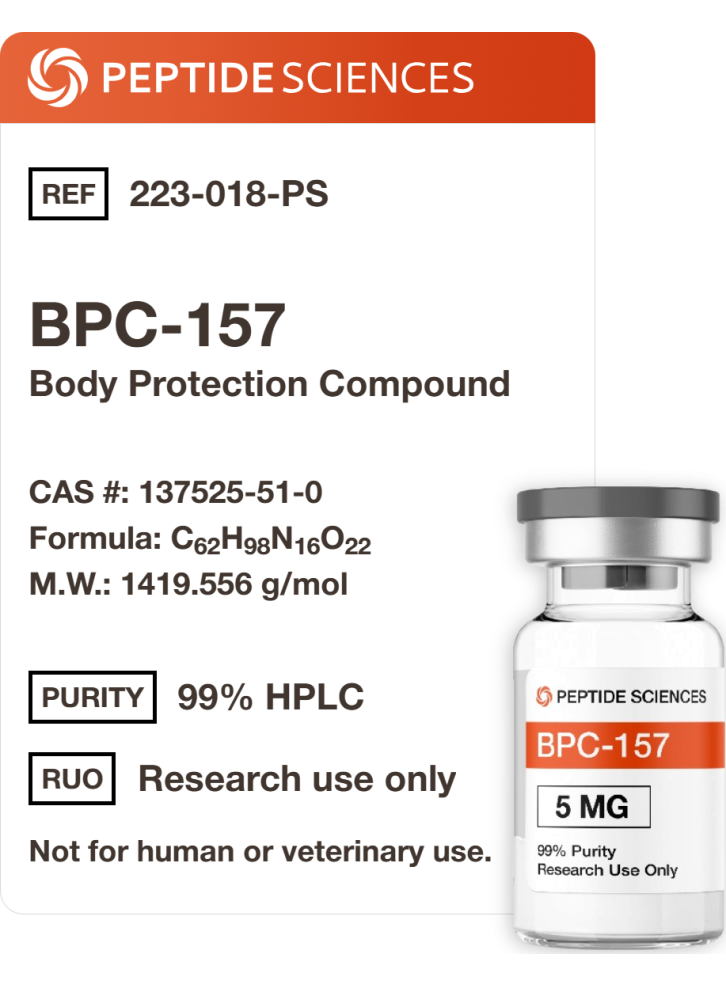
BPC-157 5mg
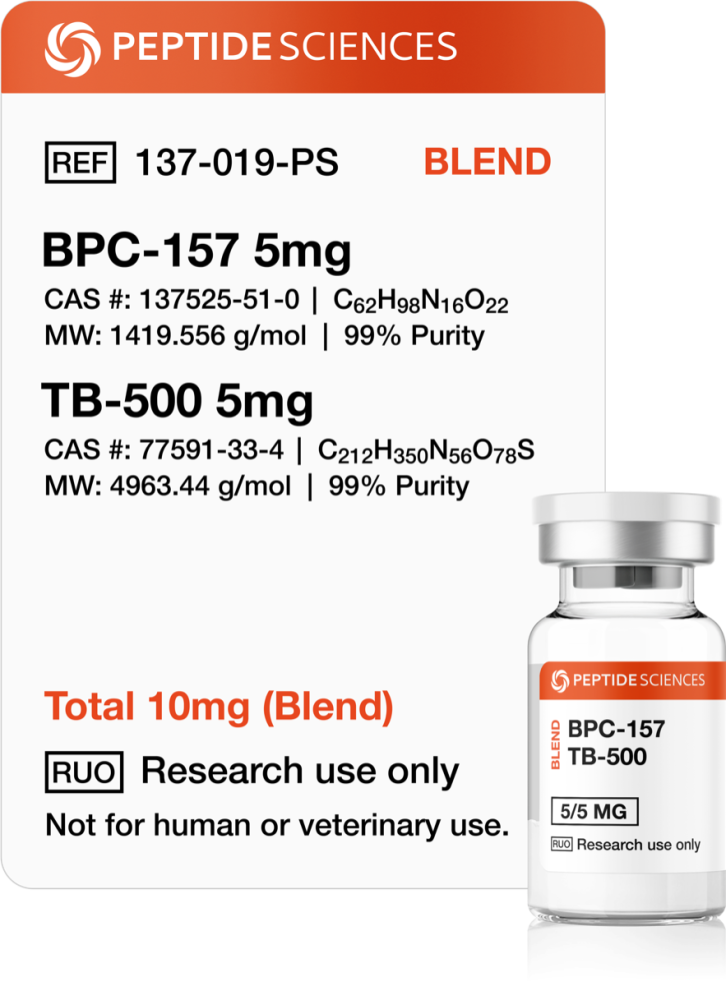
BPC-157, TB-500 10mg (Blend)
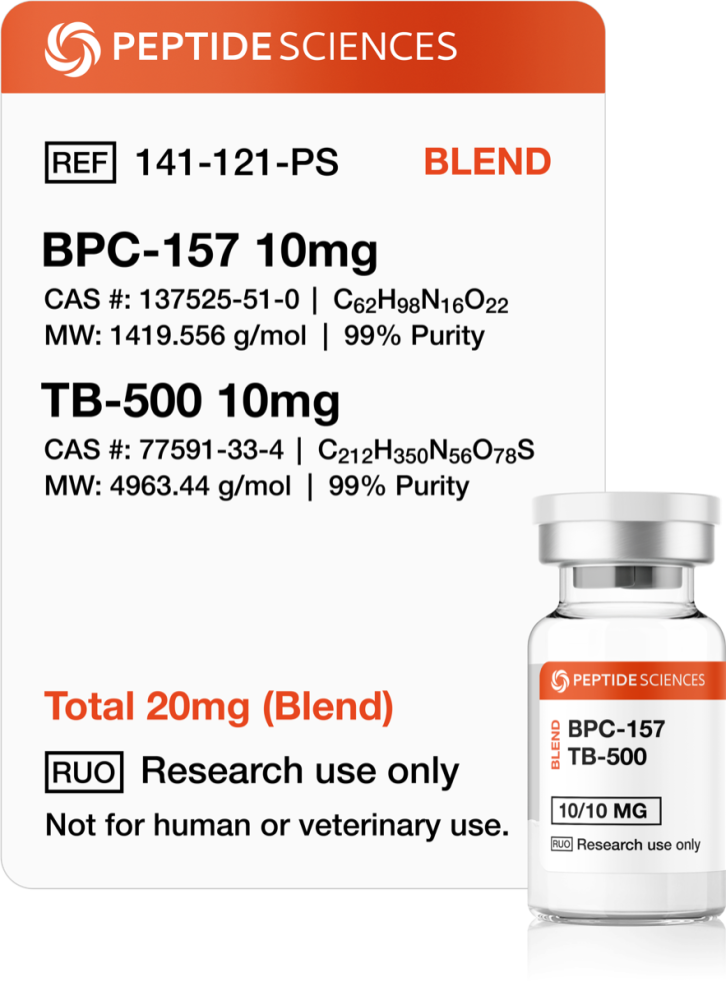
BPC-157, TB-500 20mg (Blend)
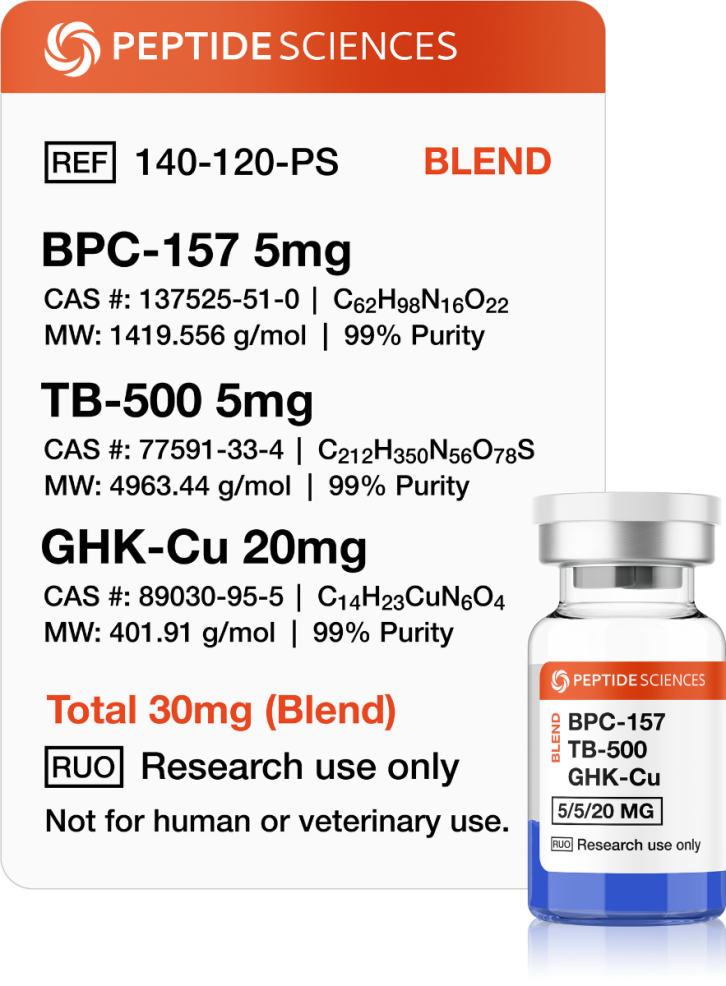
BPC-157, TB-500, GHK-Cu 30mg (Glow Blend)
BPC-157 5mg, TB-500 (Thymosin Beta-4) 5mg, GHK-Cu 20mg
(30mg Total Glow Blend)
Mechanisms and Synergy
-
BPC-157: A stable gastric pentadecapeptide shown to accelerate angiogenesis, fibroblast migration, and epithelial repair via modulation of VEGFR2, FAK-paxillin pathways, and nitric oxide signaling. It enhances tendon, muscle, and intestinal healing in preclinical models.
-
TB-500 (Thymosin Beta-4): A 43-amino acid actin-sequestering peptide that promotes tissue regeneration through cell migration, angiogenesis (via VEGF upregulation), and anti-inflammatory effects. It mobilizes progenitor cells and accelerates repair of myocardium, dermis, and connective tissue.
-
GHK-Cu: A copper-binding tripeptide (glycyl-L-histidyl-L-lysine) that stimulates wound healing, collagen synthesis, and hair growth. It modulates gene expression linked to tissue remodeling and exerts antioxidant and anti-inflammatory effects through TGF-β and metalloproteinase regulation.
Synergistic Benefits:
Combined research with BPC-157, TB-500, and GHK-Cu may offer synergistic tissue regeneration and anti-inflammatory benefits by concurrently activating multiple repair pathways:
-
Angiogenesis: TB-500 and BPC-157 both promote VEGF-mediated vascularization, while GHK-Cu enhances endothelial cell proliferation.
-
Cellular migration and matrix remodeling: TB-500 improves actin polymerization and cellular motility; GHK-Cu and BPC-157 stimulate ECM production and fibroblast activity.
-
Anti-inflammatory modulation: All three reduce oxidative stress and cytokine-driven inflammation, potentially improving healing in chronic or complex injuries.
This multifactorial synergy suggests enhanced efficacy in musculoskeletal, dermatological, and post-surgical recovery applications.
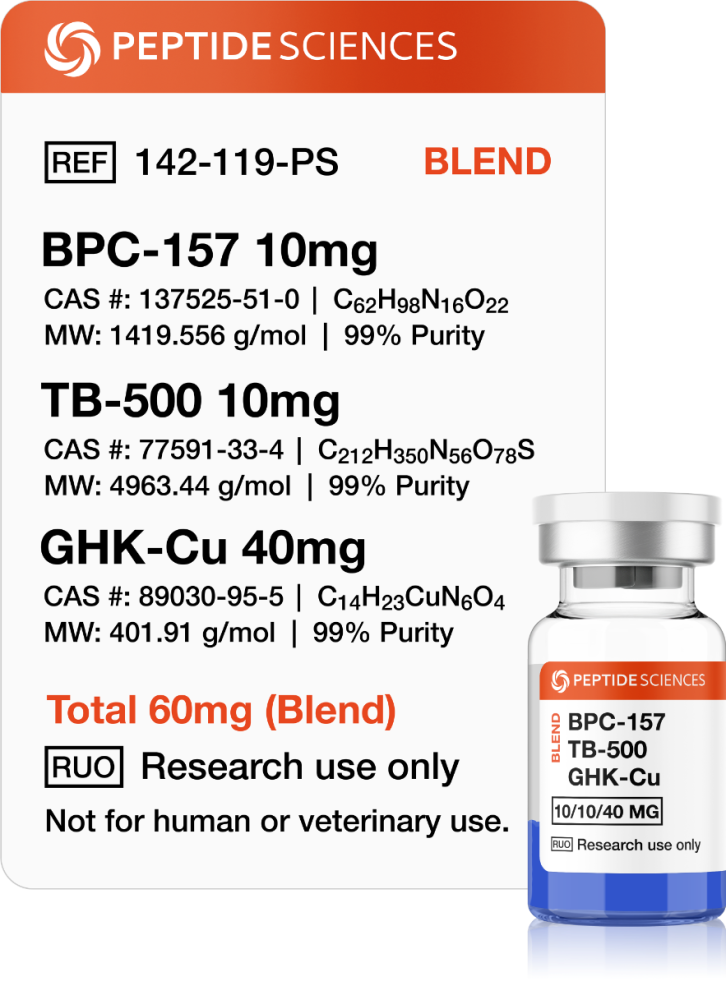
BPC-157, TB-500, GHK-Cu 60mg (Glow Blend)
- BPC-157: A stable gastric pentadecapeptide shown to accelerate angiogenesis, fibroblast migration, and epithelial repair via modulation of VEGFR2, FAK-paxillin pathways, and nitric oxide signaling. It enhances tendon, muscle, and intestinal healing in preclinical models.
- TB-500 (Thymosin Beta-4): A 43-amino acid actin-sequestering peptide that promotes tissue regeneration through cell migration, angiogenesis (via VEGF upregulation), and anti-inflammatory effects. It mobilizes progenitor cells and accelerates repair of myocardium, dermis, and connective tissue.
- GHK-Cu: A copper-binding tripeptide (glycyl-L-histidyl-L-lysine) that stimulates wound healing, collagen synthesis, and hair growth. It modulates gene expression linked to tissue remodeling and exerts antioxidant and anti-inflammatory effects through TGF-β and metalloproteinase regulation.
- Angiogenesis: TB-500 and BPC-157 both promote VEGF-mediated vascularization, while GHK-Cu enhances endothelial cell proliferation.
- Cellular migration and matrix remodeling: TB-500 improves actin polymerization and cellular motility; GHK-Cu and BPC-157 stimulate ECM production and fibroblast activity.
- Anti-inflammatory modulation: All three reduce oxidative stress and cytokine-driven inflammation, potentially improving healing in chronic or complex injuries.
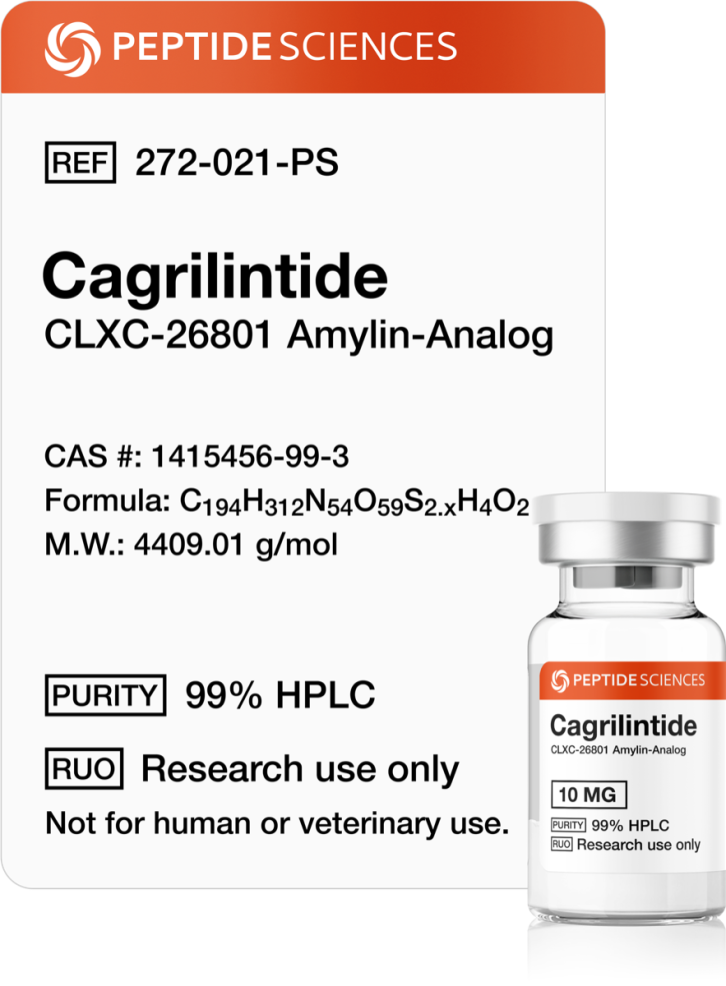
Cagrilintide 10mg
Cagrilintide is a long-acting analogue of amylin, a naturally occurring peptide that is released in conjunction with insulin. Cagrilintide has shown promise in animal trials as a treatment for obesity and type 2 diabetes. It has been studied for benefits not just in type 2 diabetes, but for liver damage, alcohol-related liver disease, and heart/blood vessel disease. There is some speculation about the role of this peptide in Alzheimer’s disease as well, but no research has been published in that particular sub-domain, yet. Many trials, however, have looked at the combination of cagrilintide and semaglutide in the treatment of obesity and type 2 diabetes. The two proteins appear to work synergistically to provide more robust and more permanent weight loss effects. It is important to note that while preclinical studies suggest promising therapeutic potential, clinical trials in humans are limited. Further research needs to be done to determine the efficacy and safety profiles.
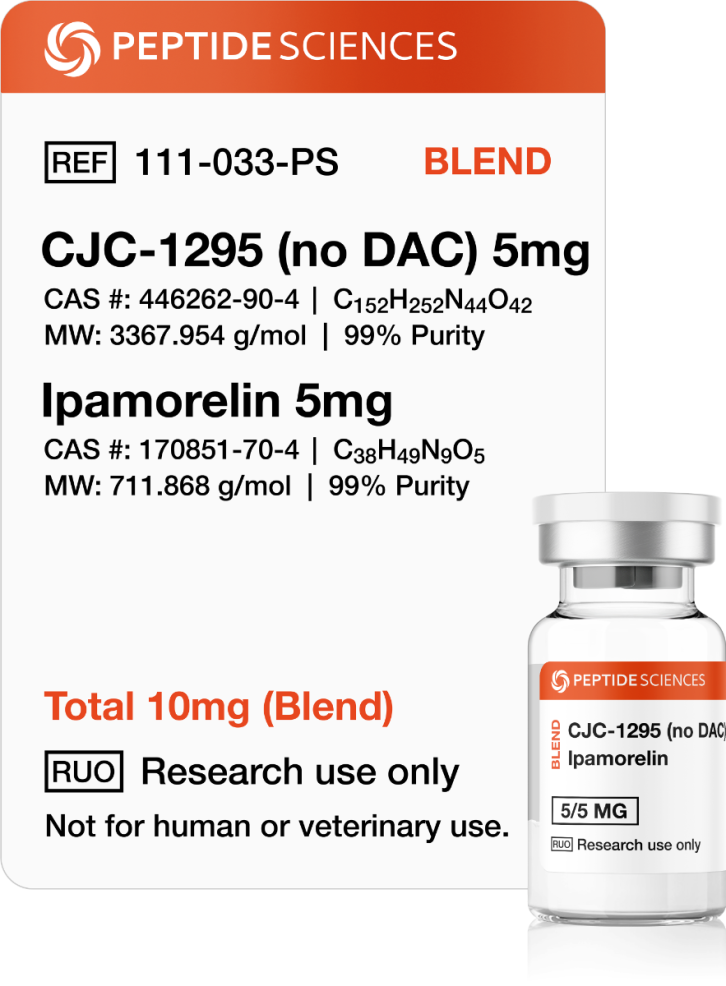
CJC-1295 (No DAC), Ipamorelin 10mg (Blend)
CJC-1295 5mg (No DAC), Ipamorelin 5mg (10mg Total Peptide Blend)
CJC-1295 causes the natural release of GH, but it does so by naturally stimulating the growth hormone releasing hormone receptor.
Ipamorelin is one of the most selective growth hormone (GH) secretagogues known and a potent agonist of the ghrelin/growth hormone secretagogue receptor. It has been heavily researched in a number of settings and is known to, improve bone health, boost muscle repair and development, stimulate insulin release from the pancreas, and improve bowel motility and gastric function.
CJC-1295 when combined with Ipamorelin has been shown to exhibit synergistic effects when researched together.