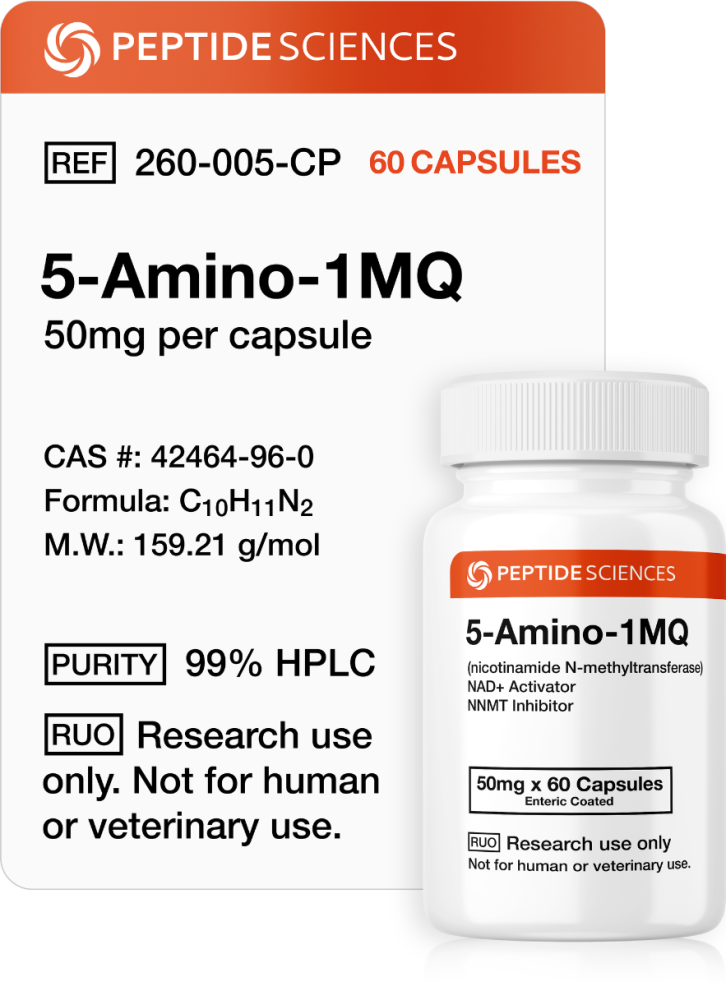
5-Amino-1MQ 50mg (60 Capsules)
5-amino-1MQ is a small molecule that blocks the activity of the enzyme called nicotinamide N-methyltransferase (NNMT). NNMT is a very important component in metabolism and energy and is predominantly active in fat tissue. By blocking NNMT, 5-amino-1MQ stimulates an increase in nicotinamide adenine dinucleotide (NAD+), a cofactor that is central to cellular metabolism, thereby increasing metabolic rate and activating a gene called sirtuin-1 (SIRT1).
SIRT1 is also known as the “longevity gene” because of its role in reducing the risk of diabetes, obesity, metabolic syndrome, atherosclerosis and other forms of cardiovascular disease, kidney disease, liver disease, neurodegeneration, and cancer. Research in mice given 5-amino-1MQ showed a 7% reduction in body mass over 10 days without any changes in food intake, compared to controls. Research has shown that decreasing NNMT may help shrink fat cells and reduce the size of fat deposits.
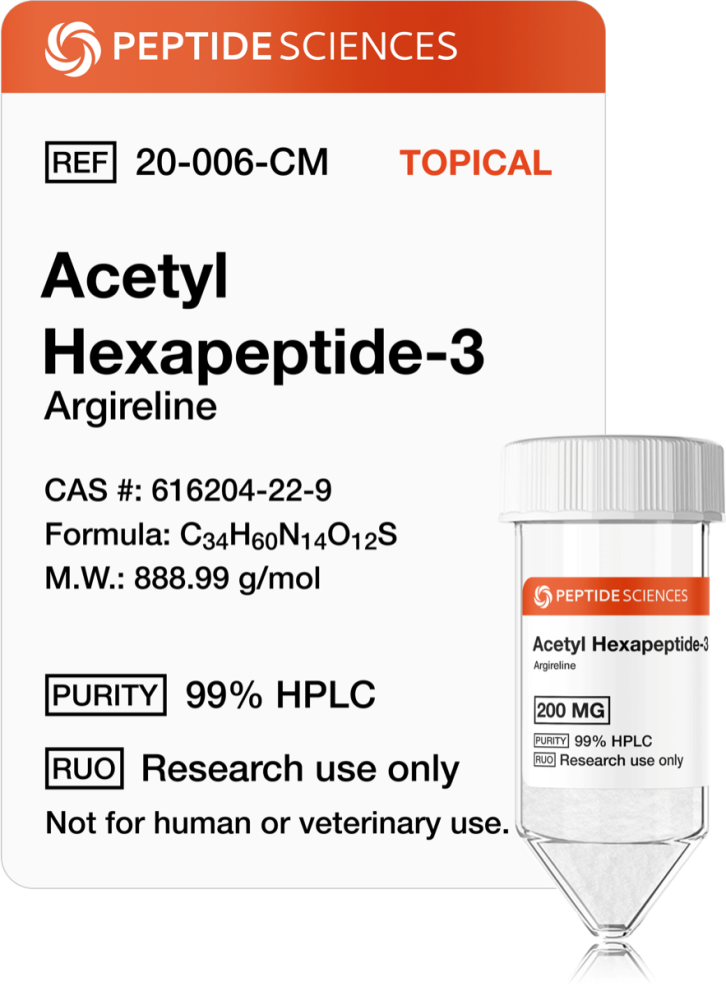
Acetyl Hexapeptide-3 (Argireline) 200mg (Topical)
Acetyl Hexapeptide-3 (Argireline) inhibits the release of neurotransmitters as it interferes with the formation and stabilization of the protein complex needed for docking vesicles of acetylcholine release. In an open study often female subjects, a serum containing this peptide was applied twice a day. After 1 month, the results showed a reduction in periorbital wrinkle depth of 27%. The in vitro effect of neurotransmitter-inhibiting peptides is to inhibit the release of neurotransmitters, while the desired, in vivo, effect is to reduce facial wrinkles caused by a decrease in muscle activity. Research tests were performed using a combination of both actives in order to evaluate a possible synergy or additive effect. A cream/serum containing 5% argireline solution (0.05%) and 5% leuphasyl solution (0.05%) was applied twice daily around the eyes of 15 volunteers, aged 39 to 63, for 28 days. A decrease of 24.62% was accomplished, with maximum values up to –46.53%. Both peptides show additive effects due to their complementary mechanisms.
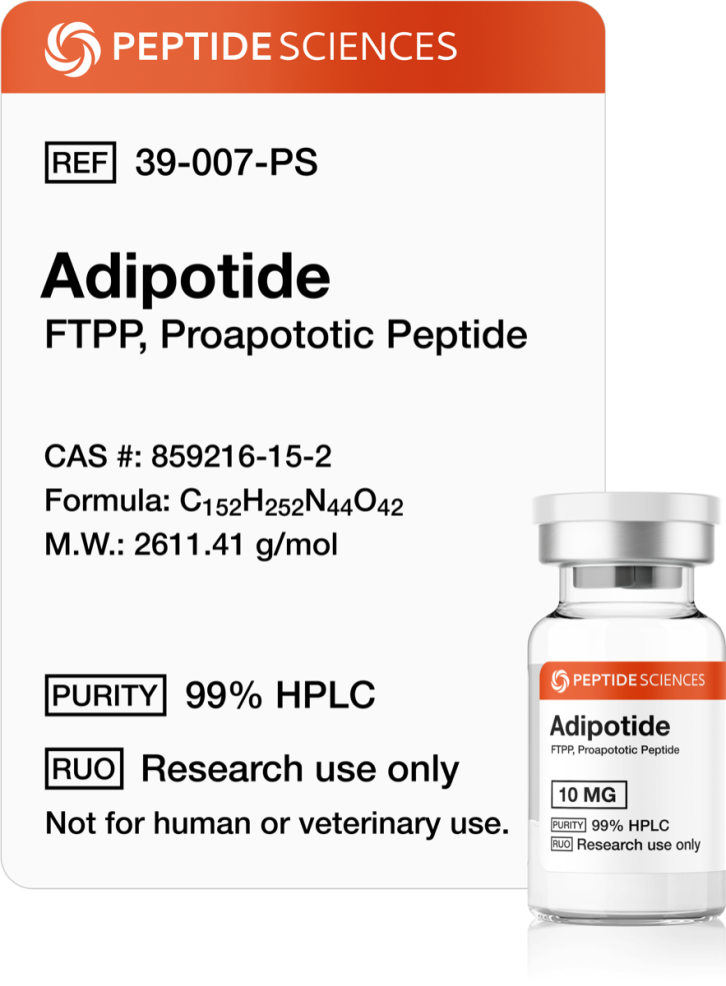
Adipotide (FTPP) 10mg
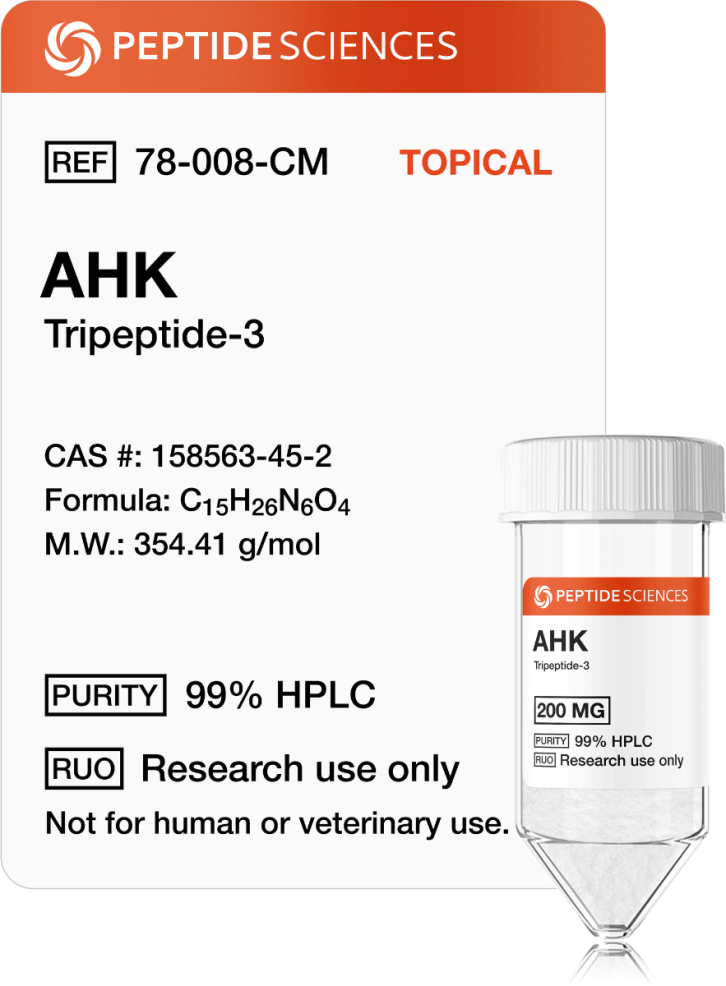
AHK (Tripeptide-3) 200mg (Topical)
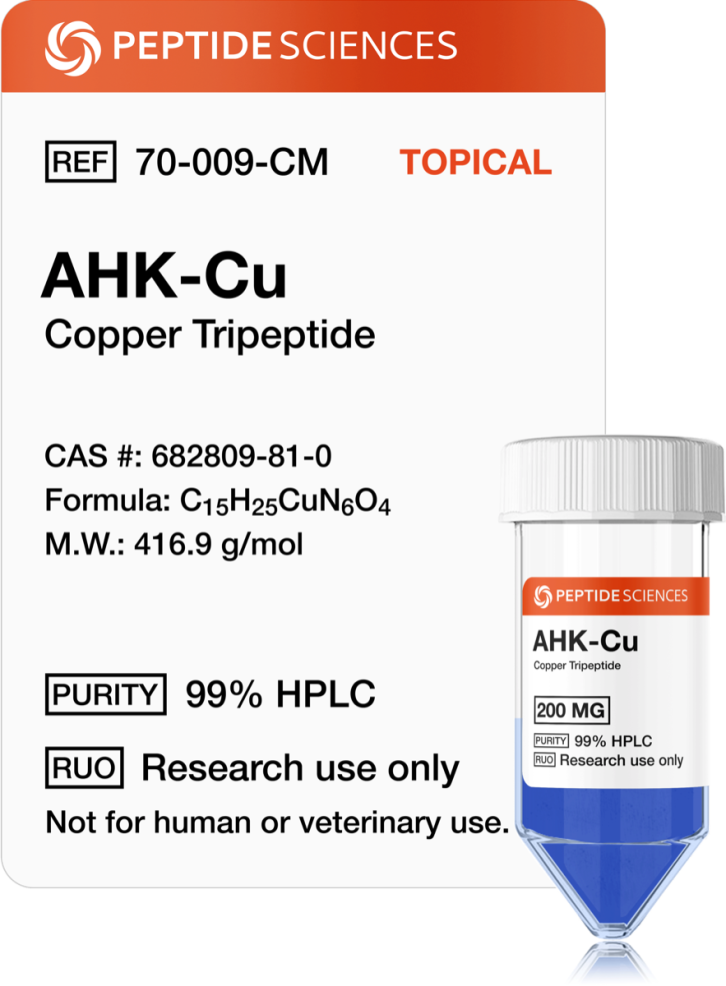
AHK-Cu 200mg (Topical)
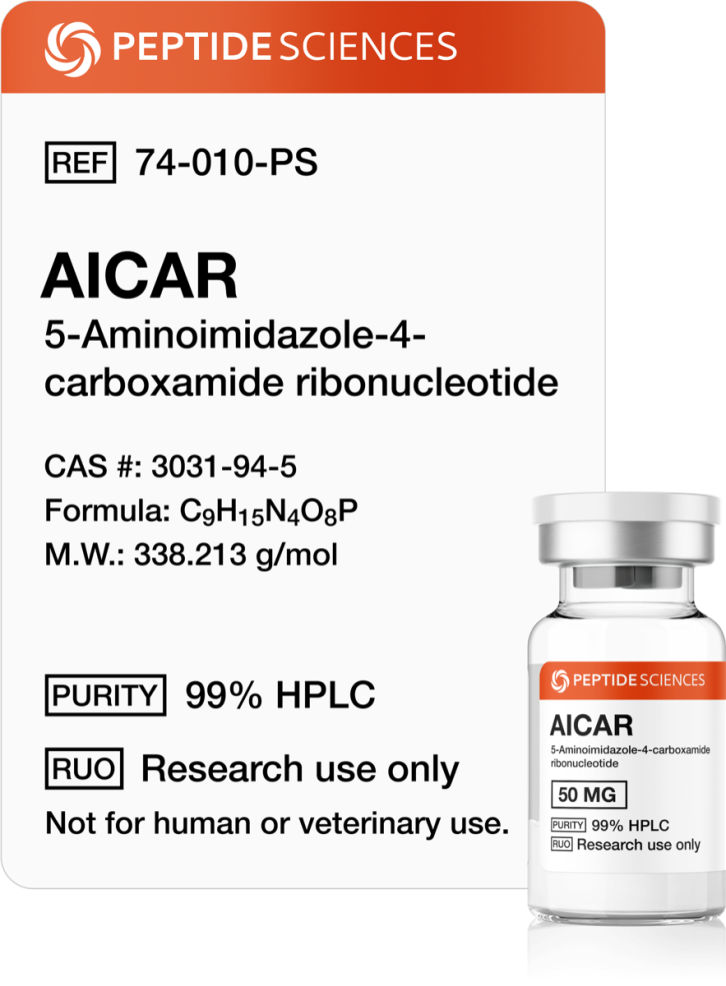
AICAR 50mg
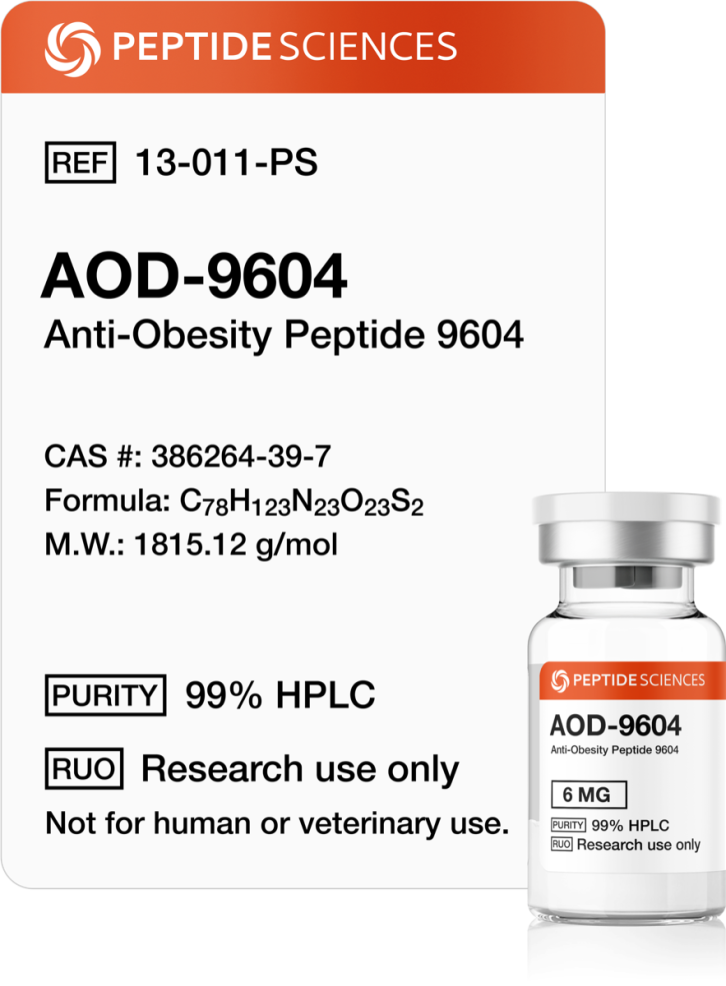
AOD9604 6mg
AOD9604 is a modified version of the hGH fragment 176-191 peptide (contains a di-sulfide bridge) and thus a derivative of human growth hormone (hGH). Originally developed as a lipolytic (fat burning) compound, AOD9604 has shown benefit in studies of heart disease, osteoarthritis/cartilage repair, and metabolic syndrome. AOD9604 stimulates lipolysis (the breakdown or destruction of fat) and inhibits lipogenesis in animal studies.
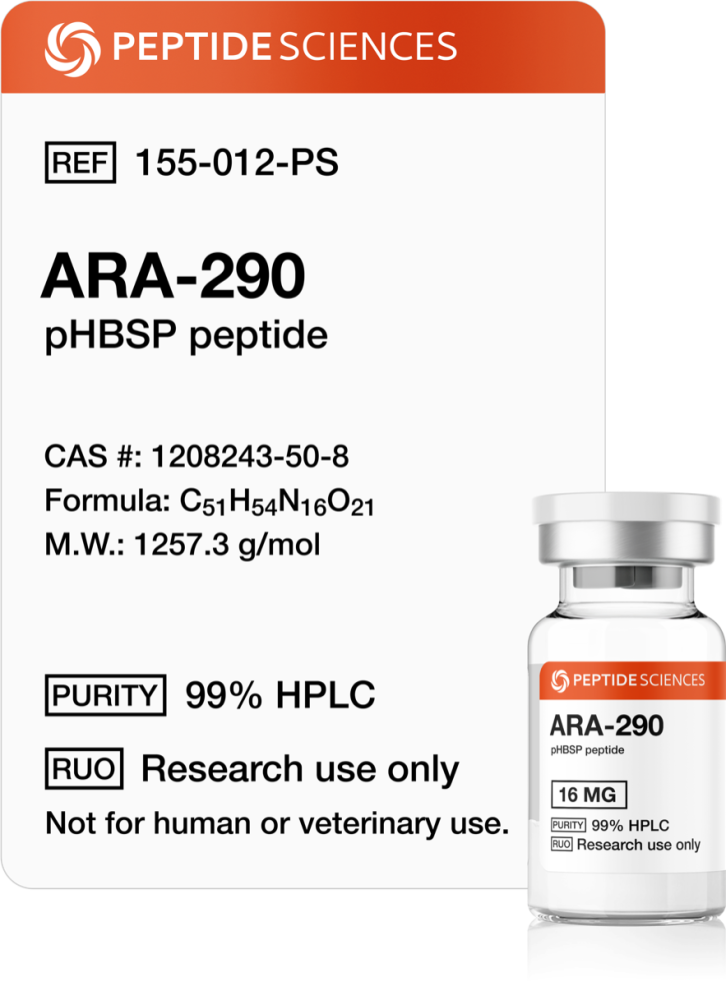
ARA-290 16mg
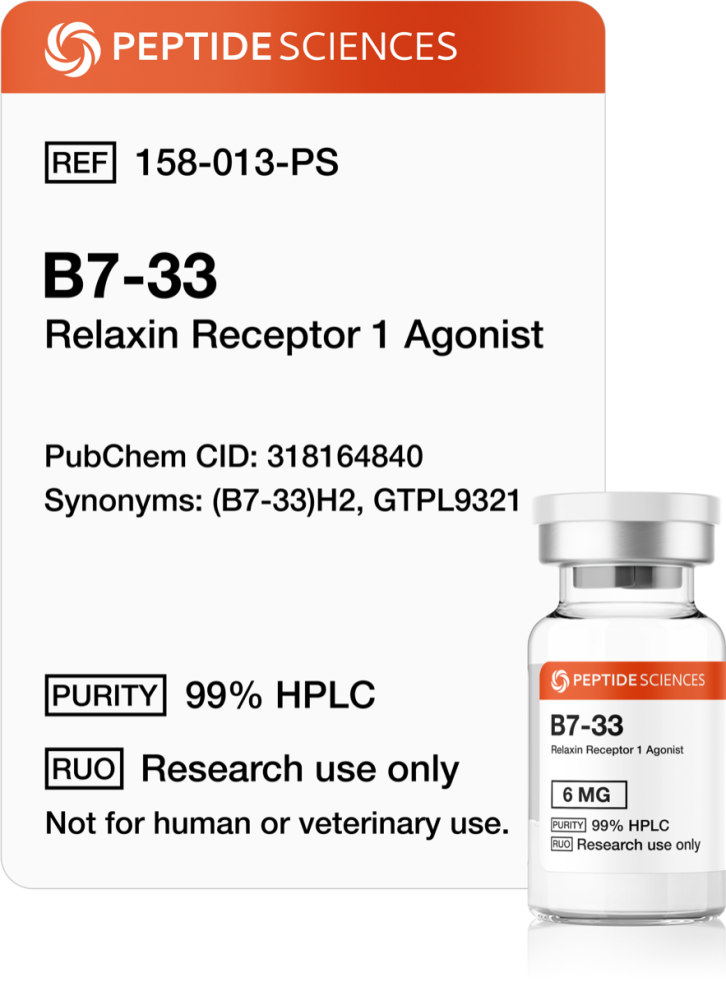
B7-33 6mg
B7-33 exibits potent anti-fibrotic effects. It is under active research and investigation as a means of reducing fibrosis in acute and chronic diseases like heart failure, lung inflammation, kidney and more.
In animal studies, B7-33 has reduced fibrosis by roughly 50%, leading to prolonged survival following injury and offering the first new means of treating heart failure in 20 years.
It has been shown to reduce excessive scar formation following cardiac injury. It has also shown promise in the treatment of certain vascular disorders as well as preeclampsia of pregnancy.