

Shop
Top rated products
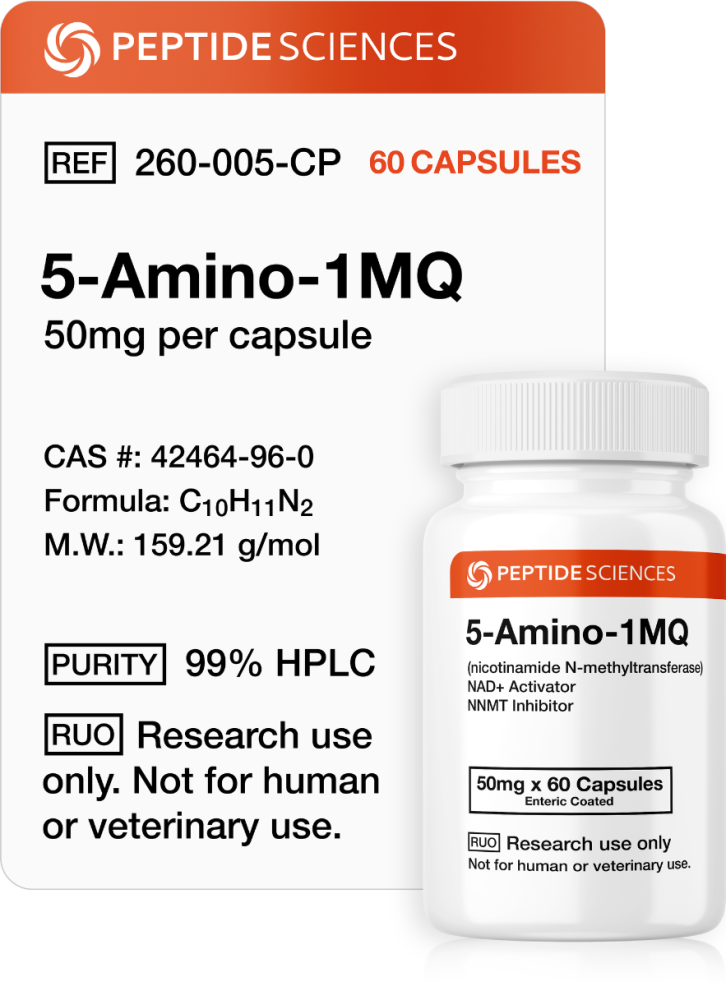
5-Amino-1MQ 50mg (60 Capsules)
$255.005-amino-1MQ is a small molecule that blocks the activity of the enzyme called nicotinamide N-methyltransferase (NNMT). NNMT is a very important component in metabolism and energy and is predominantly active in fat tissue. By blocking NNMT, 5-amino-1MQ stimulates an increase in nicotinamide adenine dinucleotide (NAD+), a cofactor that is central to cellular metabolism, thereby increasing metabolic rate and activating a gene called sirtuin-1 (SIRT1).
SIRT1 is also known as the “longevity gene” because of its role in reducing the risk of diabetes, obesity, metabolic syndrome, atherosclerosis and other forms of cardiovascular disease, kidney disease, liver disease, neurodegeneration, and cancer. Research in mice given 5-amino-1MQ showed a 7% reduction in body mass over 10 days without any changes in food intake, compared to controls. Research has shown that decreasing NNMT may help shrink fat cells and reduce the size of fat deposits.
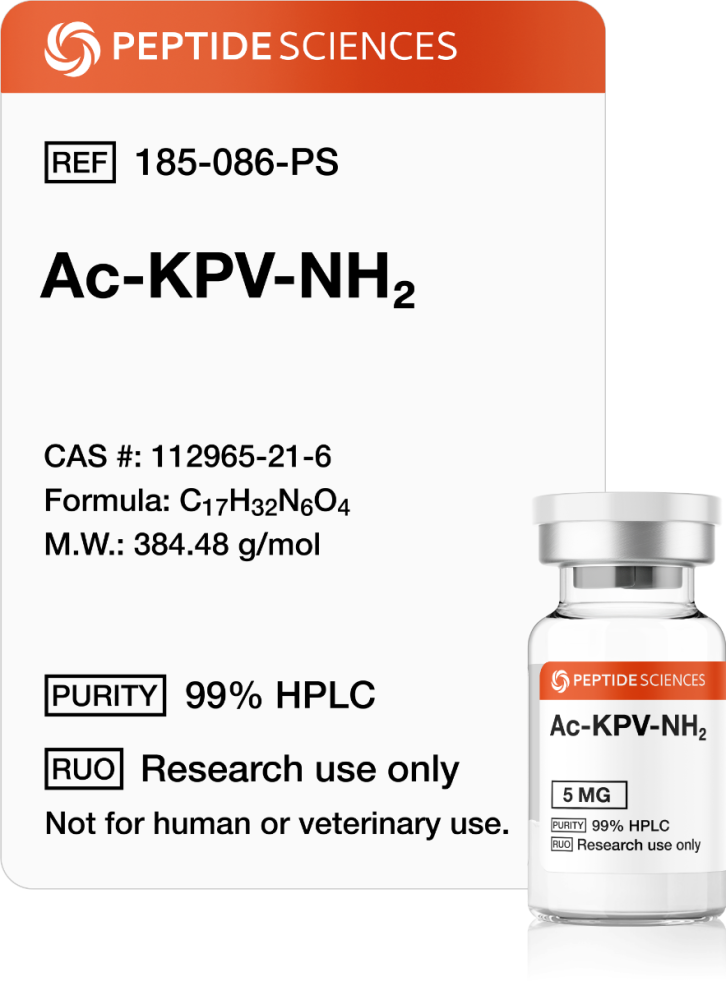
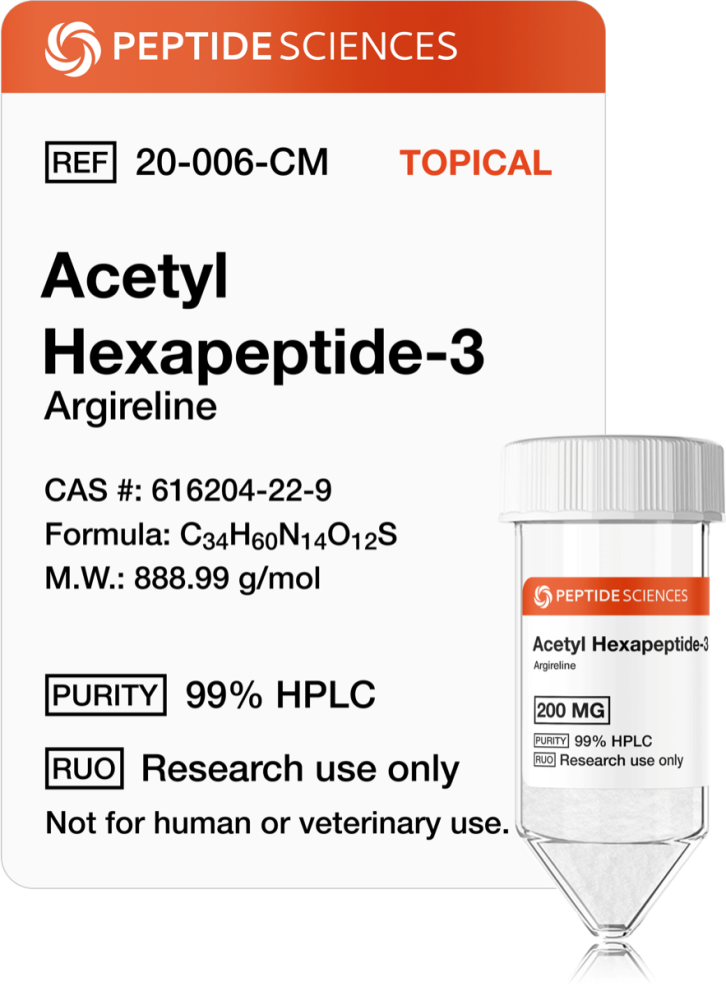
Acetyl Hexapeptide-3 (Argireline) 200mg (Topical)
$220.00Acetyl Hexapeptide-3 (Argireline) inhibits the release of neurotransmitters as it interferes with the formation and stabilization of the protein complex needed for docking vesicles of acetylcholine release. In an open study often female subjects, a serum containing this peptide was applied twice a day. After 1 month, the results showed a reduction in periorbital wrinkle depth of 27%. The in vitro effect of neurotransmitter-inhibiting peptides is to inhibit the release of neurotransmitters, while the desired, in vivo, effect is to reduce facial wrinkles caused by a decrease in muscle activity. Research tests were performed using a combination of both actives in order to evaluate a possible synergy or additive effect. A cream/serum containing 5% argireline solution (0.05%) and 5% leuphasyl solution (0.05%) was applied twice daily around the eyes of 15 volunteers, aged 39 to 63, for 28 days. A decrease of 24.62% was accomplished, with maximum values up to –46.53%. Both peptides show additive effects due to their complementary mechanisms.
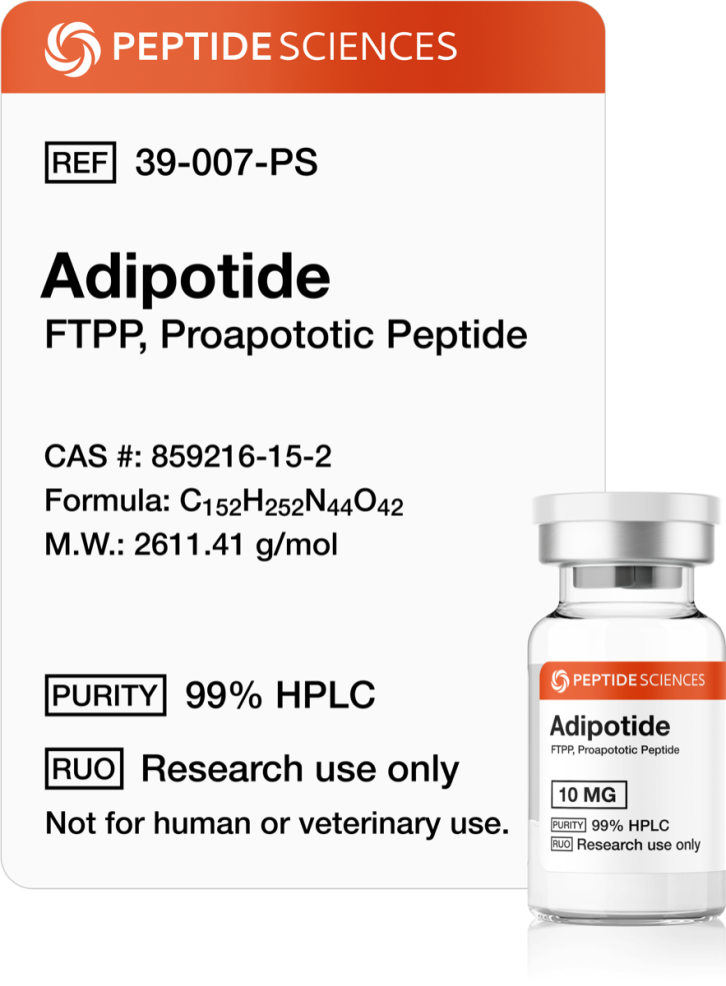
Adipotide (FTPP) 10mg
$89.00Adipotide, also known as FTPP, is an experimental weight loss treatment that kills fat cells by targeting the blood supply of those cells.
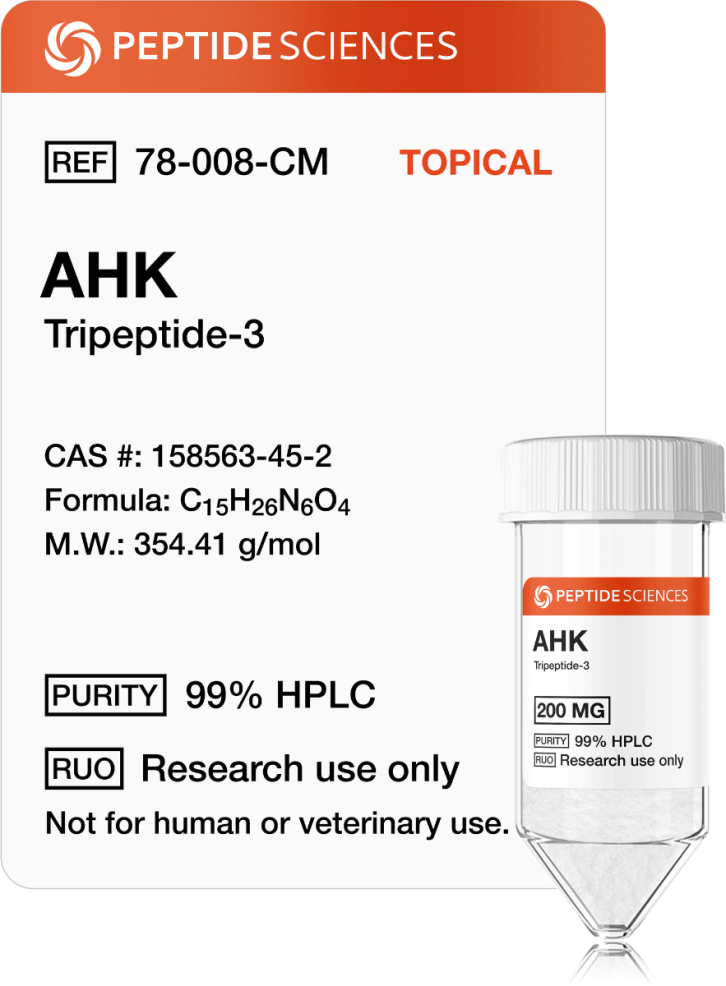
AHK (Tripeptide-3) 200mg (Topical)
$200.00AHK has been extensively investigated in animal models for its effect on hair growth, wound healing, and tissue regeneration
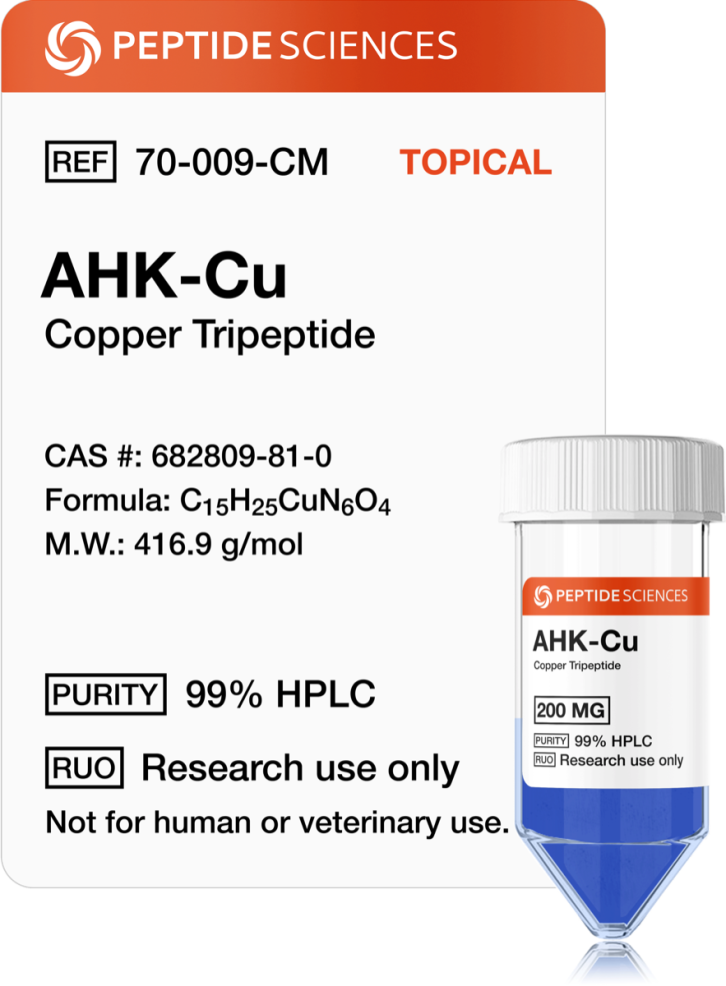
AHK-Cu 200mg (Topical)
$200.00AHK-Cu has been studied extensively in animal and laboratory models for its effects on skin health, collagen synthesis, and hair growth.
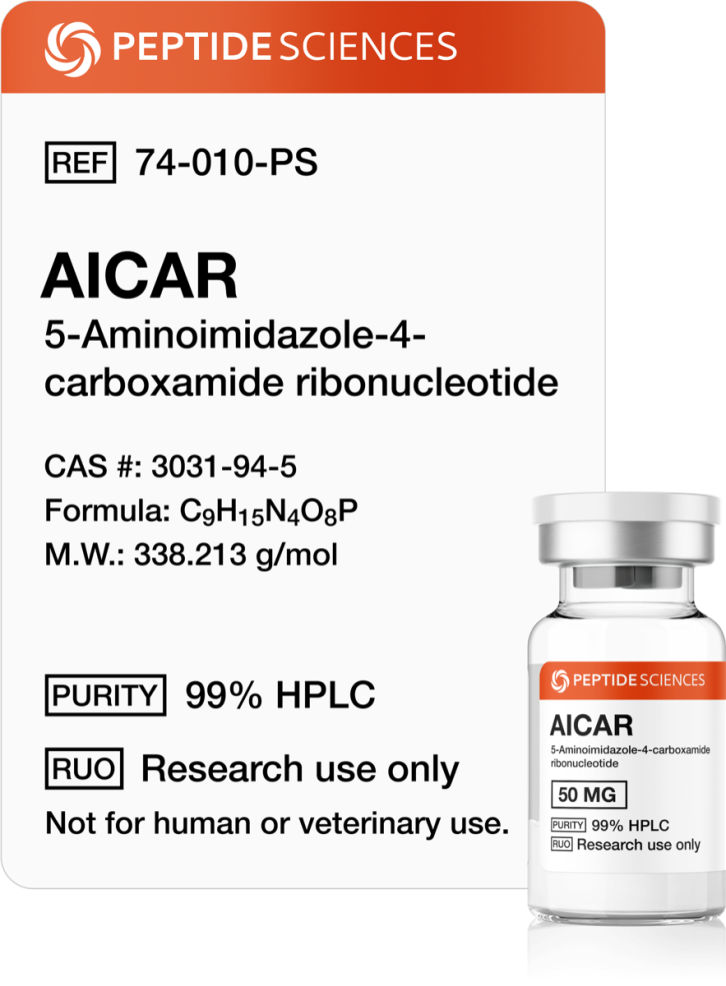
AICAR 50mg
$65.00AICAR is an analogue of adenosine monophosphate. It has been used clinically to protect against cardiac ischemia following heart attack. AICAR has antioxidant properties and may therefore help to slow the physiologic signs of aging. There is ongoing research into the use of AICAR to mediate the effects of diabetes, auto-immune diseases, and other inflammatory conditions.
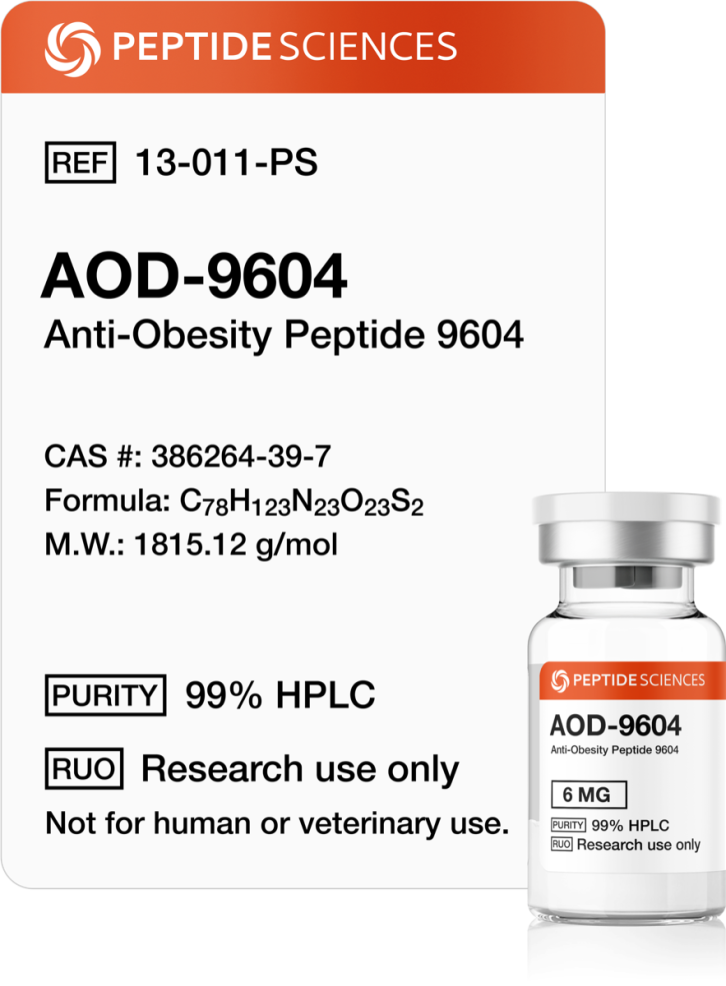
AOD9604 6mg
$65.00AOD9604 is a modified version of the hGH fragment 176-191 peptide (contains a di-sulfide bridge) and thus a derivative of human growth hormone (hGH). Originally developed as a lipolytic (fat burning) compound, AOD9604 has shown benefit in studies of heart disease, osteoarthritis/cartilage repair, and metabolic syndrome. AOD9604 stimulates lipolysis (the breakdown or destruction of fat) and inhibits lipogenesis in animal studies.
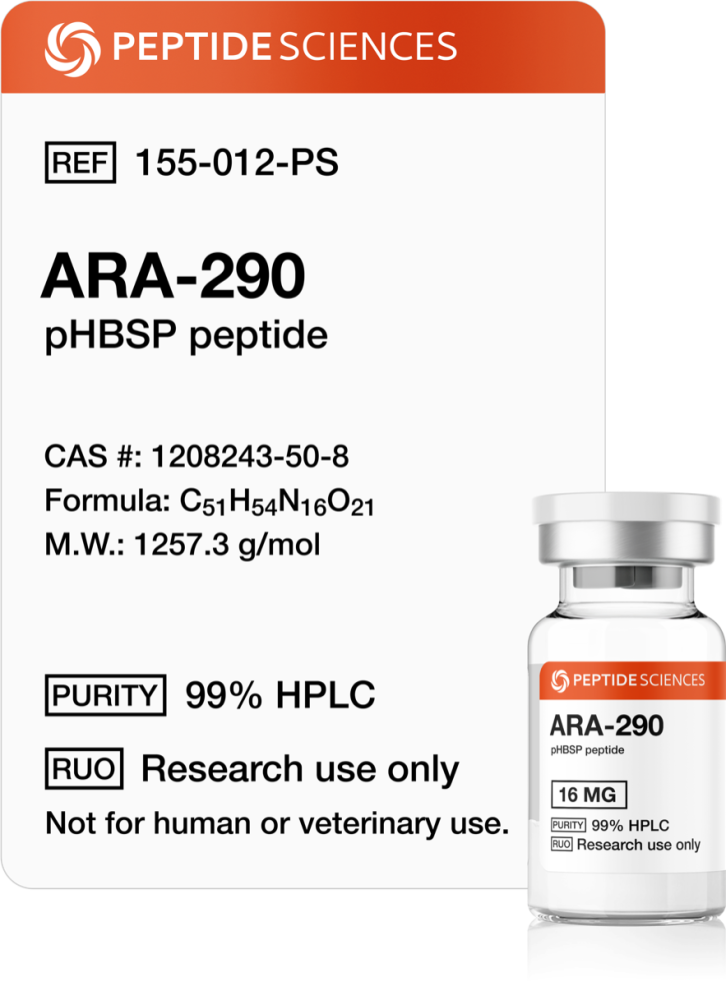
ARA-290 16mg
$95.00ARA-290 is variant of erythropoietin which has been shown to decrease inflammatory pathways through paracrine signalling and the innate repair receptors. Research has shown ARA-290 to help reduce HbA1c, improve cholesterol, modulate neuropathic pain and stimulate wound repair.
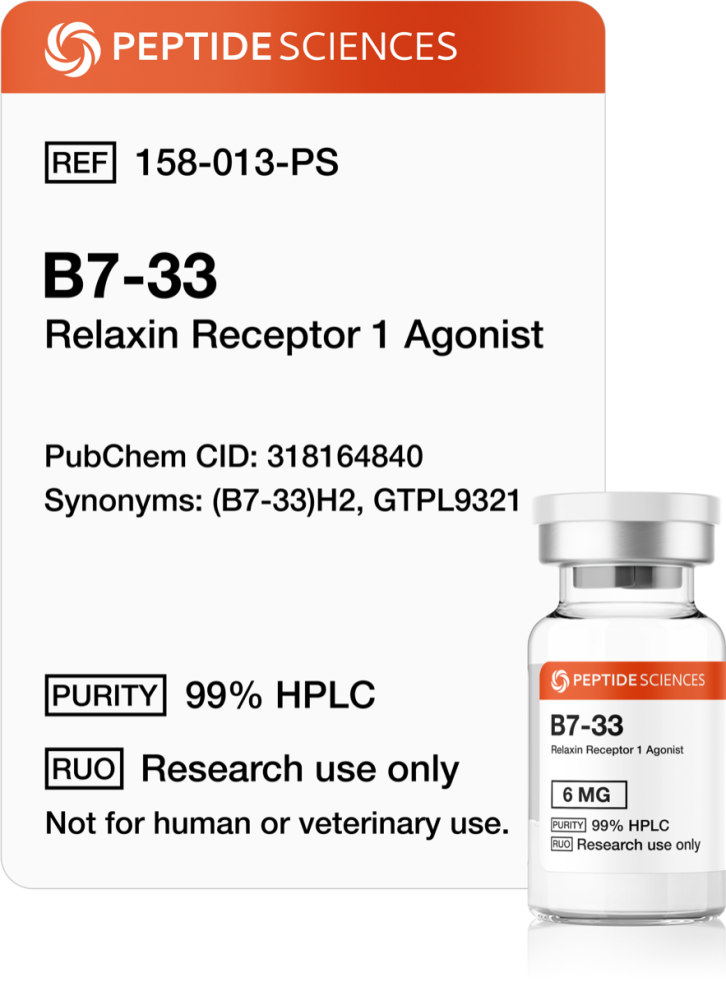
B7-33 6mg
$70.00B7-33 exibits potent anti-fibrotic effects. It is under active research and investigation as a means of reducing fibrosis in acute and chronic diseases like heart failure, lung inflammation, kidney and more.
In animal studies, B7-33 has reduced fibrosis by roughly 50%, leading to prolonged survival following injury and offering the first new means of treating heart failure in 20 years.
It has been shown to reduce excessive scar formation following cardiac injury. It has also shown promise in the treatment of certain vascular disorders as well as preeclampsia of pregnancy.
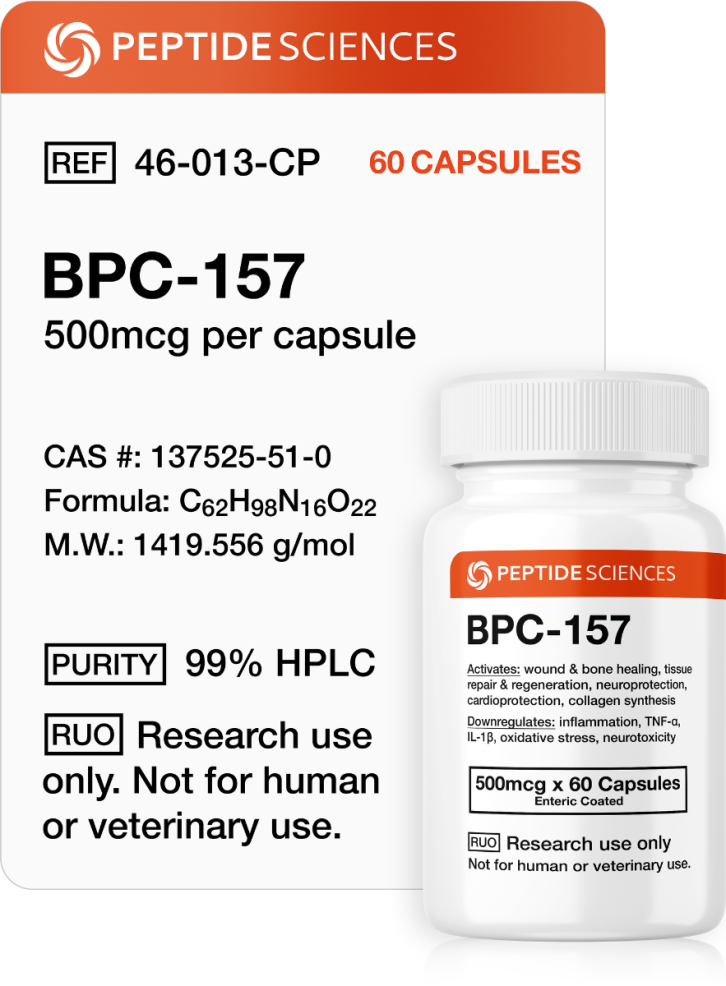
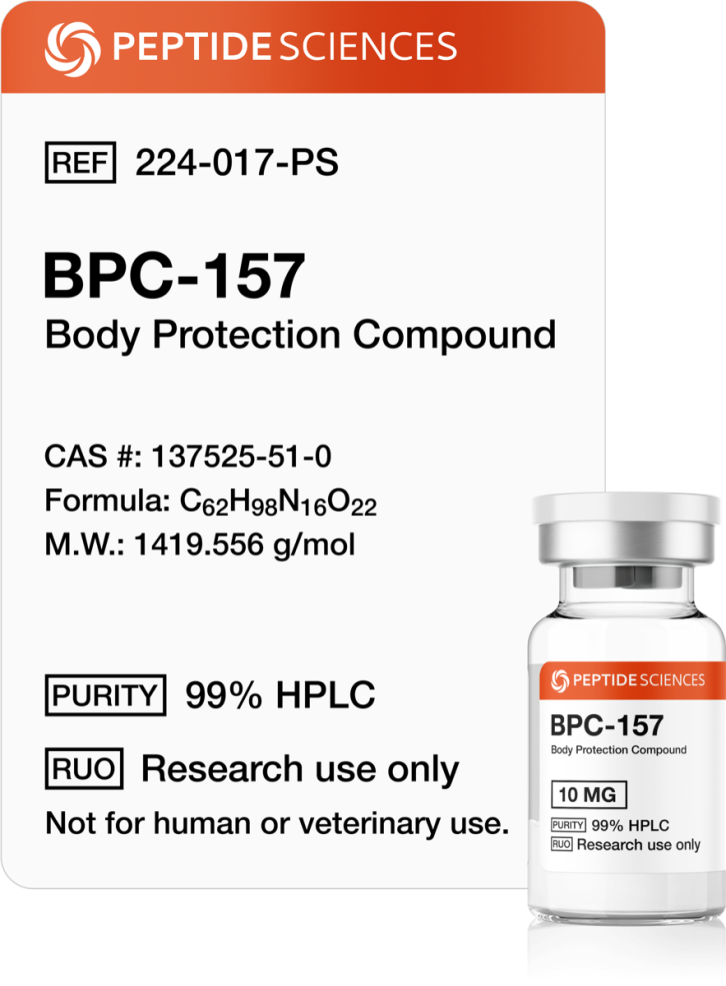
BPC-157 10mg
$100.00BPC-157 is a penta-decapeptide composed of 15 amino acids. It is a partial sequence of the body protection compound (BPC) that was discovered in and isolated from human gastric juice. Animal studies have shown it to accelerate the healing of many different wounds, including muscle, tendon and damaged ligaments. Additionally, BPC 157 has shown to protect organs and aids in the prevention of gastric ulcers. BPC-157 acts systemically in the digestive tract to combat leaky gut, IBS, gastro-intestinal cramps, and Crohn’s disease. This peptide has been known to exhibit analgesic characteristics. Research has shown its ability to help skin burns heal at a faster rate by increasing blood flow to damaged tissues. BPC-157 significantly accelerates reticulin and collagen formation as well as angiogenesis together with stimulation of macrophages and fibroblasts infiltration representing a potential therapeutic tool in wound healing management.
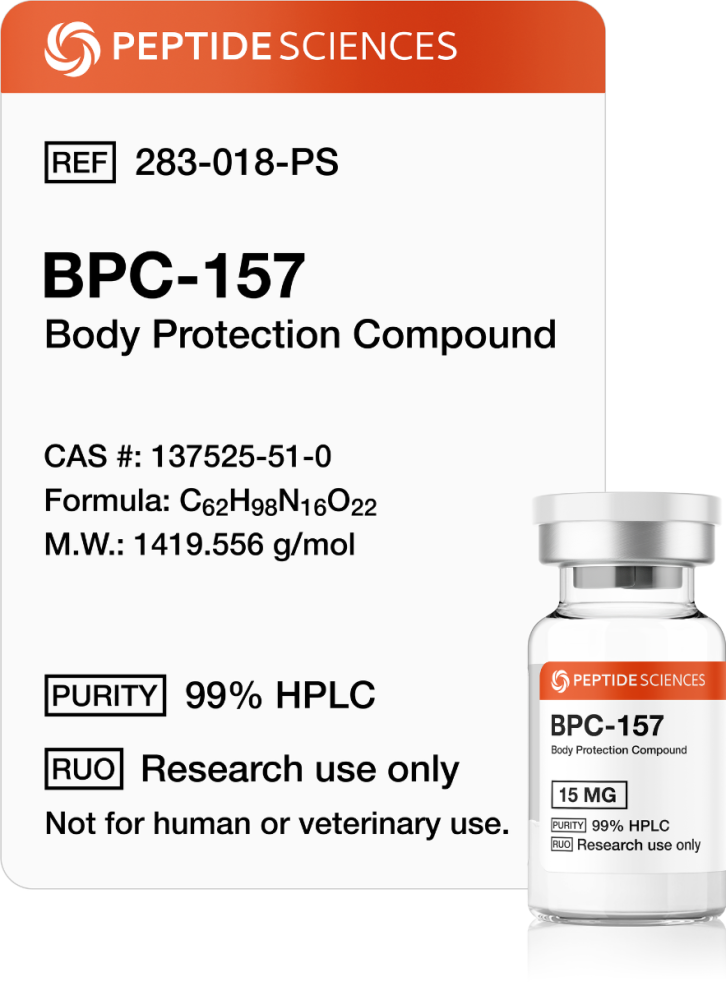
BPC-157 15mg
$140.00BPC-157 is a penta-decapeptide composed of 15 amino acids. It is a partial sequence of the body protection compound (BPC) that was discovered in and isolated from human gastric juice. Animal studies have shown it to accelerate the healing of many different wounds, including muscle, tendon and damaged ligaments. Additionally, BPC 157 has shown to protect organs and aids in the prevention of gastric ulcers. BPC-157 acts systemically in the digestive tract to combat leaky gut, IBS, gastro-intestinal cramps, and Crohn’s disease. This peptide has been known to exhibit analgesic characteristics. Research has shown its ability to help skin burns heal at a faster rate by increasing blood flow to damaged tissues. BPC-157 significantly accelerates reticulin and collagen formation as well as angiogenesis together with stimulation of macrophages and fibroblasts infiltration representing a potential therapeutic tool in wound healing management.
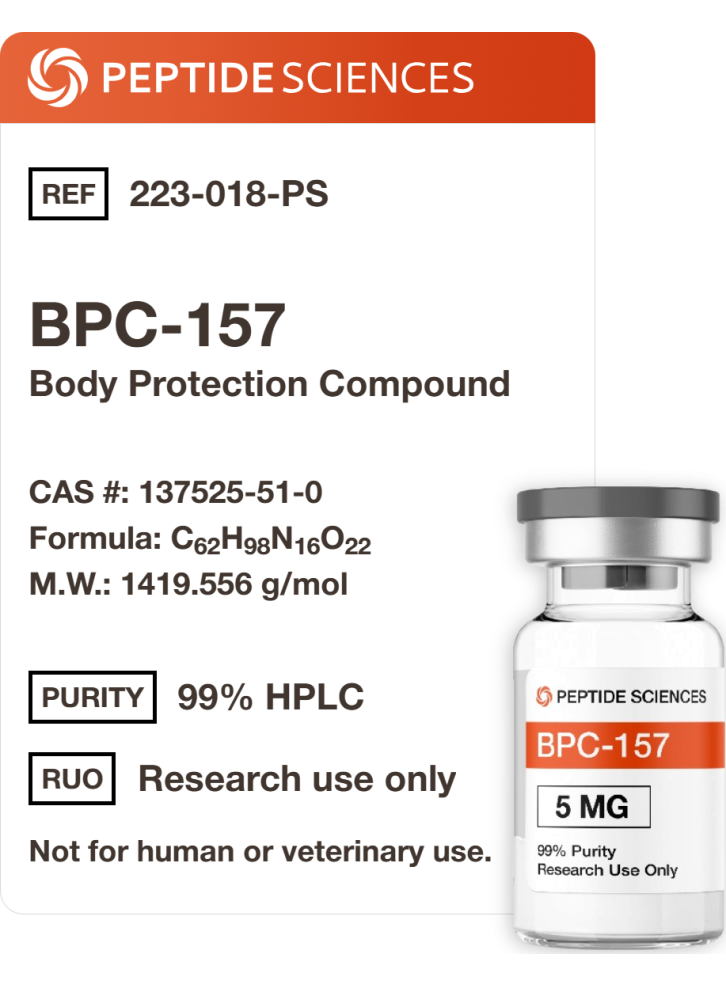
BPC-157 5mg
$59.50BPC-157 is a penta-decapeptide composed of 15 amino acids. It is a partial sequence of the body protection compound (BPC) that was discovered in and isolated from human gastric juice. Animal studies have shown it to accelerate the healing of many different wounds, including muscle, tendon and damaged ligaments. Additionally, BPC 157 has shown to protect organs and aids in the prevention of gastric ulcers. BPC-157 acts systemically in the digestive tract to combat leaky gut, IBS, gastro-intestinal cramps, and Crohn’s disease. This peptide has been known to exhibit analgesic characteristics. Research has shown its ability to help skin burns heal at a faster rate by increasing blood flow to damaged tissues. BPC-157 significantly accelerates reticulin and collagen formation as well as angiogenesis together with stimulation of macrophages and fibroblasts infiltration representing a potential therapeutic tool in wound healing management.
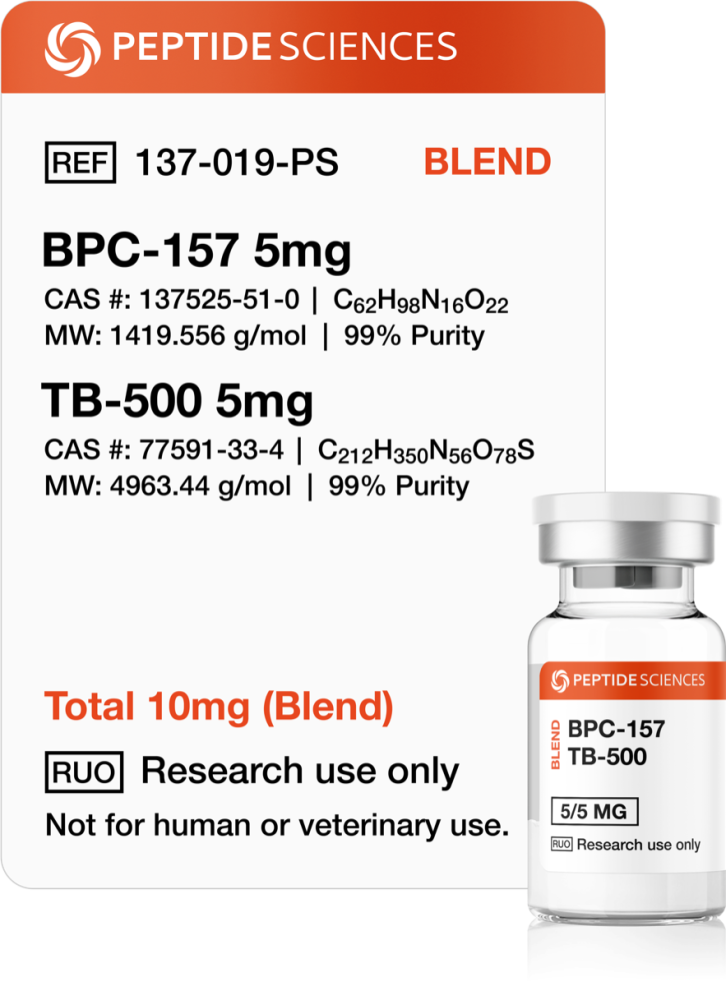
BPC-157, TB-500 10mg (Blend)
$120.00BPC-157 and TB-500 (Thymosin Beta-4) are peptides commonly studied for their potential in promoting tissue repair and healing. Both have distinct yet complementary mechanisms that, when combined, may offer synergistic benefits. BPC-157, a stable gastric pentadecapeptide, is derived from a protective protein found in the stomach lining. It has been shown in preclinical studies to accelerate healing of muscles, tendons, and ligaments by promoting angiogenesis (the formation of new blood vessels) and regulating the production of growth factors. Similarly, TB-500, a fragment of the naturally occurring Thymosin Beta-4 protein, plays a key role in cell migration, tissue regeneration, and reducing inflammation.
The potential synergy between these peptides arises from their overlapping yet distinct pathways in tissue repair. While BPC-157 excels at improving blood flow and reducing inflammation, TB-500 focuses on facilitating cellular migration to the injury site and supporting the repair process at the cellular level. Together, they may accelerate healing by addressing multiple aspects of tissue recovery, particularly in sports injuries or chronic conditions where regeneration is compromised. Early animal studies suggest this combination may lead to faster recovery times and improved structural integrity of repaired tissues.
It is crucial to note that while promising, much of the research on BPC-157 and TB-500 remains preclinical.
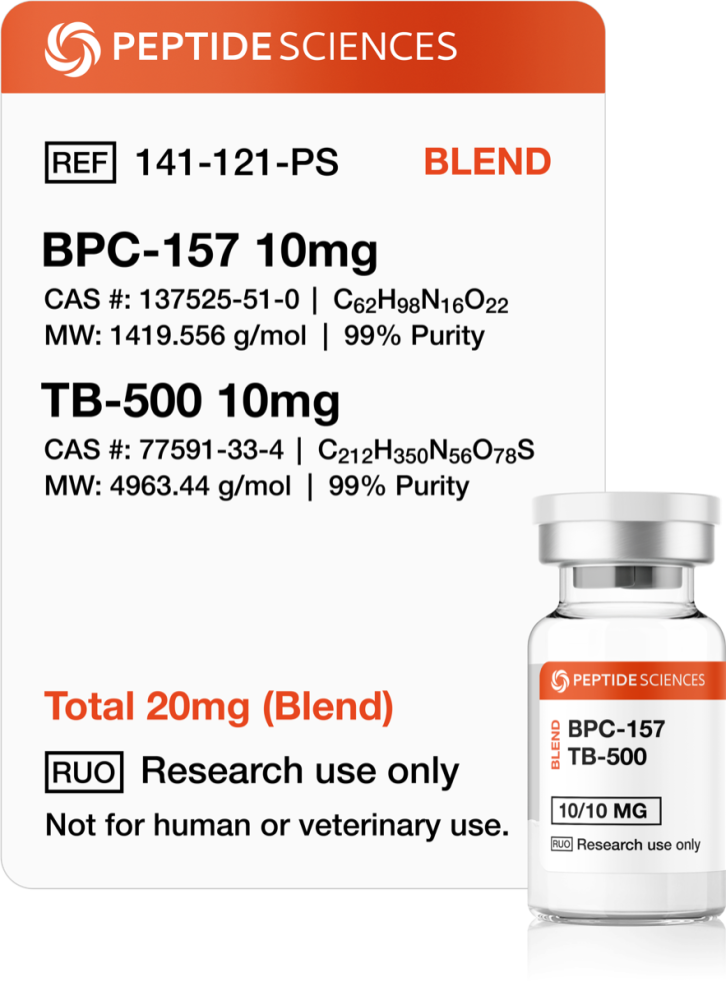
BPC-157, TB-500 20mg (Blend)
$200.00BPC-157 and TB-500 (Thymosin Beta-4) are peptides commonly studied for their potential in promoting tissue repair and healing. Both have distinct yet complementary mechanisms that, when combined, may offer synergistic benefits. BPC-157, a stable gastric pentadecapeptide, is derived from a protective protein found in the stomach lining. It has been shown in preclinical studies to accelerate healing of muscles, tendons, and ligaments by promoting angiogenesis (the formation of new blood vessels) and regulating the production of growth factors. Similarly, TB-500, a fragment of the naturally occurring Thymosin Beta-4 protein, plays a key role in cell migration, tissue regeneration, and reducing inflammation.
The potential synergy between these peptides arises from their overlapping yet distinct pathways in tissue repair. While BPC-157 excels at improving blood flow and reducing inflammation, TB-500 focuses on facilitating cellular migration to the injury site and supporting the repair process at the cellular level. Together, they may accelerate healing by addressing multiple aspects of tissue recovery, particularly in sports injuries or chronic conditions where regeneration is compromised. Early animal studies suggest this combination may lead to faster recovery times and improved structural integrity of repaired tissues.
It is crucial to note that while promising, much of the research on BPC-157 and TB-500 remains preclinical.
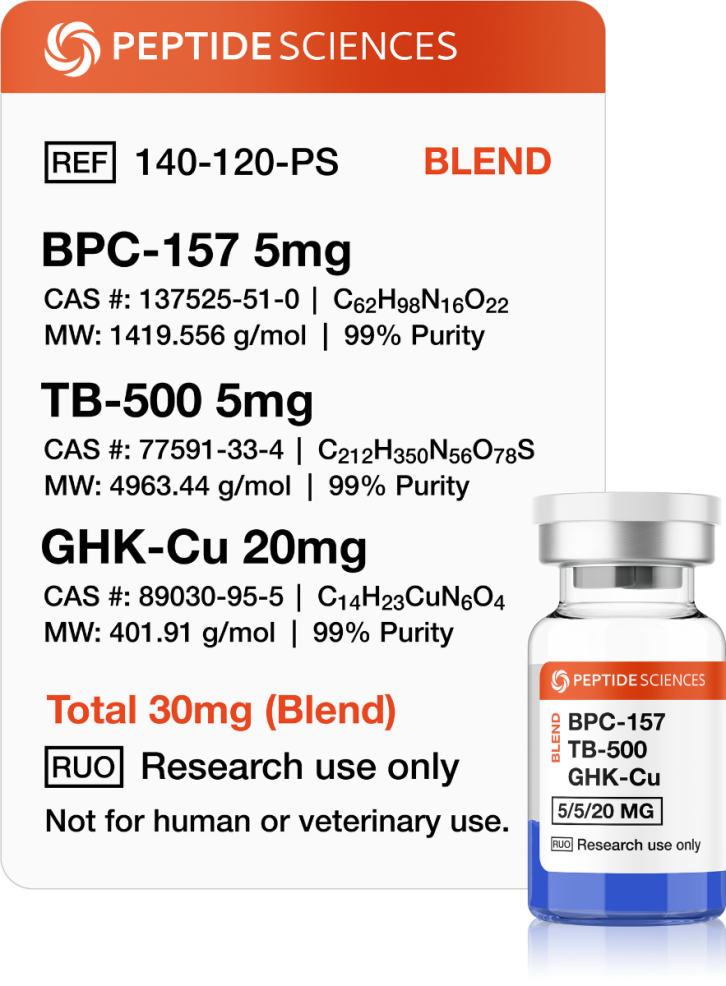
BPC-157, TB-500, GHK-Cu 30mg (Glow Blend)
$165.00BPC-157 5mg, TB-500 (Thymosin Beta-4) 5mg, GHK-Cu 20mg
(30mg Total Glow Blend)
Mechanisms and Synergy
-
BPC-157: A stable gastric pentadecapeptide shown to accelerate angiogenesis, fibroblast migration, and epithelial repair via modulation of VEGFR2, FAK-paxillin pathways, and nitric oxide signaling. It enhances tendon, muscle, and intestinal healing in preclinical models.
-
TB-500 (Thymosin Beta-4): A 43-amino acid actin-sequestering peptide that promotes tissue regeneration through cell migration, angiogenesis (via VEGF upregulation), and anti-inflammatory effects. It mobilizes progenitor cells and accelerates repair of myocardium, dermis, and connective tissue.
-
GHK-Cu: A copper-binding tripeptide (glycyl-L-histidyl-L-lysine) that stimulates wound healing, collagen synthesis, and hair growth. It modulates gene expression linked to tissue remodeling and exerts antioxidant and anti-inflammatory effects through TGF-β and metalloproteinase regulation.
Synergistic Benefits:
Combined research with BPC-157, TB-500, and GHK-Cu may offer synergistic tissue regeneration and anti-inflammatory benefits by concurrently activating multiple repair pathways:
-
Angiogenesis: TB-500 and BPC-157 both promote VEGF-mediated vascularization, while GHK-Cu enhances endothelial cell proliferation.
-
Cellular migration and matrix remodeling: TB-500 improves actin polymerization and cellular motility; GHK-Cu and BPC-157 stimulate ECM production and fibroblast activity.
-
Anti-inflammatory modulation: All three reduce oxidative stress and cytokine-driven inflammation, potentially improving healing in chronic or complex injuries.
This multifactorial synergy suggests enhanced efficacy in musculoskeletal, dermatological, and post-surgical recovery applications.
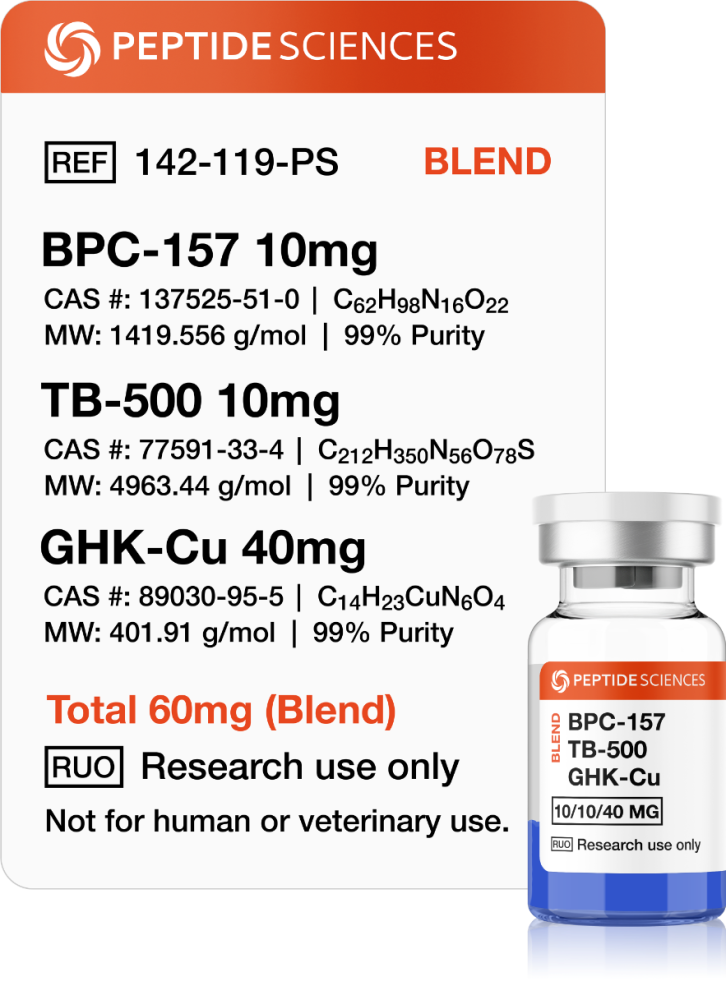
BPC-157, TB-500, GHK-Cu 60mg (Glow Blend)
$315.00BPC-157 5mg, TB-500 (Thymosin Beta-4) 5mg, GHK-Cu 20mg
(30mg Total Glow Blend)
Mechanisms and Synergy
-
BPC-157: A stable gastric pentadecapeptide shown to accelerate angiogenesis, fibroblast migration, and epithelial repair via modulation of VEGFR2, FAK-paxillin pathways, and nitric oxide signaling. It enhances tendon, muscle, and intestinal healing in preclinical models.
-
TB-500 (Thymosin Beta-4): A 43-amino acid actin-sequestering peptide that promotes tissue regeneration through cell migration, angiogenesis (via VEGF upregulation), and anti-inflammatory effects. It mobilizes progenitor cells and accelerates repair of myocardium, dermis, and connective tissue.
-
GHK-Cu: A copper-binding tripeptide (glycyl-L-histidyl-L-lysine) that stimulates wound healing, collagen synthesis, and hair growth. It modulates gene expression linked to tissue remodeling and exerts antioxidant and anti-inflammatory effects through TGF-β and metalloproteinase regulation.
Synergistic Benefits:
Combined research with BPC-157, TB-500, and GHK-Cu may offer synergistic tissue regeneration and anti-inflammatory benefits by concurrently activating multiple repair pathways:
-
Angiogenesis: TB-500 and BPC-157 both promote VEGF-mediated vascularization, while GHK-Cu enhances endothelial cell proliferation.
-
Cellular migration and matrix remodeling: TB-500 improves actin polymerization and cellular motility; GHK-Cu and BPC-157 stimulate ECM production and fibroblast activity.
-
Anti-inflammatory modulation: All three reduce oxidative stress and cytokine-driven inflammation, potentially improving healing in chronic or complex injuries.
This multifactorial synergy suggests enhanced efficacy in musculoskeletal, dermatological, and post-surgical recovery applications.